Why Your Gut Bugs Rule Your Mood and Energy
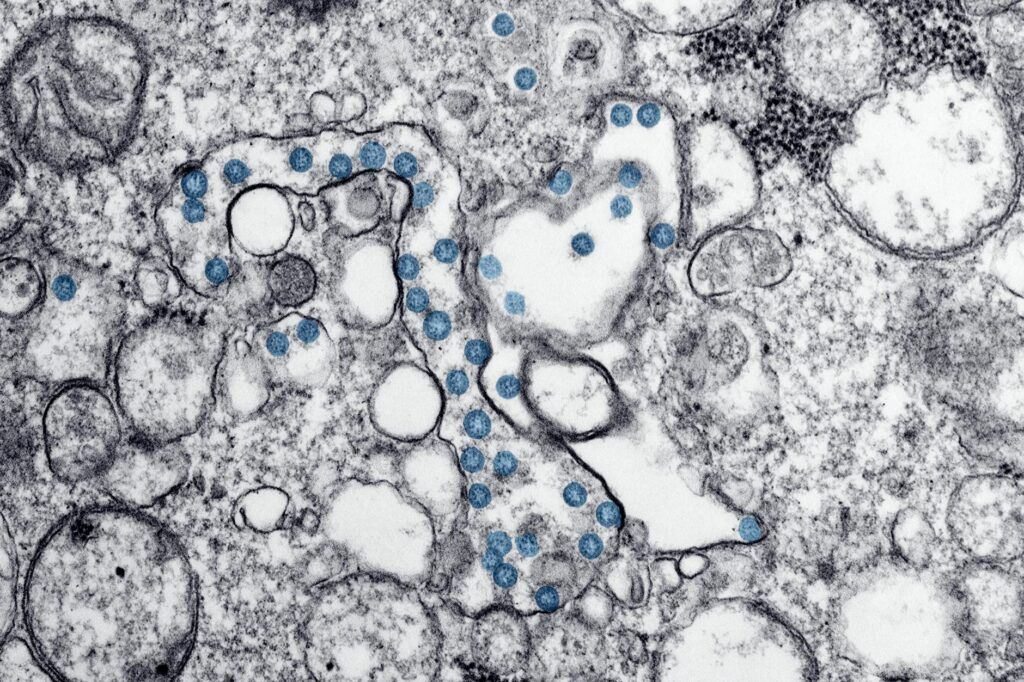
Photo by CDC on <a href="https://www.pexels.com/photo/abstract-art-drawing-with-spots-on-surface-3992944/" rel="nofollow">Pexels.com</a>
Did you know that inside your belly lives a bustling city of trillions of tiny organisms? These microbes form your micro gut biome, a hidden force shaping your energy, mood, and even your immune strength. Far from just handling food breakdown, they influence your whole body in ways that can transform how you feel each day.
Your micro gut biome, often called gut flora, consists of bacteria, fungi, and viruses that call your digestive system home. A healthy micro gut biome brings real benefits, from better digestion to sharper focus. This article dives into why a good micro gut balance matters so much for your overall health and how you can boost your micro gut biome starting today. The link between micro gut biome and health runs deep, affecting everything from your heart to your skin.
Low Mood. Low Energy. Same Root Problem. Fix it at the source with LoveBiome for Better Mood and All-Day Energy
Section 1: Defining the Micro Gut Biome and Its Critical Role in Human Health
What Exactly Constitutes the Micro Gut Biome?
The micro gut biome includes billions of bacteria like Lactobacillus and Bifidobacterium that aid digestion. Fungi such as yeast and viruses also play parts, some helpful, others not. Beneficial ones, or symbiotic microbes, help your body thrive, while harmful types can cause trouble if they take over.
In a healthy setup, good bacteria outnumber the bad ones. They live mainly in your intestines, from the small to the large. Diversity keeps things stable, like a balanced team working together.
The Gut-Body Axis: More Than Just Digestion
This axis links your gut to the rest of you through nerves and chemicals. Microbes break down food, absorb nutrients, and make vitamins like K and some B types. They also process waste to keep toxins out.
A strong gut barrier stops leaks that let bad stuff enter your blood. Your micro gut biome builds this wall with mucus and tight cells. Without it, you risk inflammation everywhere.
Indicators of a Balanced vs. Dysbiotic Microbiome
A balanced micro gut biome shows in steady energy and smooth bowels. You feel clear-headed and rarely get sick. Vitality flows when good microbes rule.
Dysbiosis, or imbalance, brings bloating, gas, or constipation. It can spark ongoing inflammation or wild mood shifts. Chronic gut issues often point to this shift, harming your micro gut biome and health.
Section 2: Core Benefits of a Robust Micro Gut Biome on Systemic Health
Boosting Immune Defense and Fighting Pathogens
Good bacteria crowd out invaders by sticking to gut walls first. They make short-chain fatty acids like butyrate that calm immune cells. These acids help T-cells fight threats without overreacting.
About 70% of your immune cells sit in the gut. A healthy micro gut biome trains them to spot real dangers. This setup cuts down on allergies and infections.
The Gut-Brain Connection: Influencing Mood and Cognition
Gut microbes produce serotonin, key for calm feelings—most of it starts in your belly. They also craft GABA to ease anxiety. Studies show a good micro gut balance lowers stress and boosts brain fog clearance.
Poor balance links to depression or poor sleep. Psychobiotics, special bacteria strains, target this link. They might sharpen your focus and steady your emotions.
Metabolic Health and Weight Management Support
Certain microbes pull fewer calories from meals, aiding weight control. They tweak hormones like leptin to curb hunger and ghrelin to signal fullness. Strains like Akkermansia improve insulin use.
Dysbiosis raises risks for diabetes and fat gain. It messes with blood sugar control. A thriving micro gut biome supports steady metabolism for easier weight balance.
Section 3: Advanced Benefits: Beyond Digestion and Immunity
Cardiovascular Health and Blood Pressure Regulation
Microbes turn nitrates from veggies into nitric oxide, relaxing blood vessels. This eases blood flow and drops pressure. But watch TMAO from red meat—it can build up and stress your heart if balance tips wrong.
A healthy micro gut biome keeps TMAO in check. It promotes vessel health overall. Small changes in your gut can guard against heart woes.
Skin Health and Conditions Management
The gut-skin axis ties belly bugs to clear complexion. Balanced microbes cut body-wide inflammation that flares acne or eczema. They help process waste that might clog pores.
When dysbiosis hits, toxins leak and irritate skin. A strong micro gut biome heals from inside. Many see rashes fade with gut fixes.
Detoxification and Toxin Management
Your gut crew breaks down drugs, hormones, and pollutants. They metabolize estrogen to flush it out, not recycle it. This prevents hormone buildup that causes issues like breast tenderness.
Fibers feed these detox helpers. A good micro gut balance speeds toxin clearance. It keeps your liver less burdened too.
Feel Lighter, Clearer, and More Energized — Support your gut to boost mood and natural vitality with LoveBiome’s Mood & Energy Reset
Section 4: Actionable Strategies to Boost Your Micro Gut Biome
The Power of Prebiotics: Fueling the Good Guys
Prebiotics are fibers your body skips but microbes love. They include inulin from onions and garlic, or resistant starch in cooled potatoes. Eat these to grow helpful bacteria.
Bananas, oats, and apples pack prebiotics too. Aim for a handful daily. They starve bad guys while feeding the stars.
- Onions and leeks for inulin boost.
- Green bananas for resistant starch.
- Chicory root in teas or salads.
Leveraging Probiotics: Targeted Microbial Introduction
Probiotics add live good bacteria via food or pills. Fermented picks like yogurt or miso offer broad help. Supplements target issues like IBS with strains like L. rhamnosus.
Food sources beat pills for daily diversity. Start with a serving of kefir at breakfast. If antibiotics wipe your gut, supplements can rebuild fast to boost micro gut biome.
- Try sauerkraut on sandwiches.
- Sip kombucha for variety.
- Add kimchi to stir-fries weekly.
Dietary Pillars for Long-Term Balance
Fiber from plants feeds a wide microbe range. Processed junk starves them and lets bad ones grow. Ditch sodas with fake sugars—they kill good bugs.
Hit 30 plant types weekly for top diversity. Mix veggies, fruits, nuts, and grains. This builds a resilient micro gut biome.
- Vary colors: red peppers, green spinach, blue berries.
- Include legumes like beans or lentils.
- Swap white bread for whole grain options.
Section 5: Identifying and Addressing Imbalances (Dysbiosis)
Recognizing Warning Signs That Your Biome Needs Attention
Bloating after meals often screams imbalance. Unexplained fatigue or weight swings point to gut trouble too. Skin breakouts or joint aches might link back.
Frequent colds signal weak immunity from dysbiosis. Mood dips without cause? Your micro gut biome could need a check. Track patterns to spot issues early.
Lifestyle Factors That Disrupt the Good Micro Gut Balance
Stress floods your gut with bad signals, shrinking diversity. Poor sleep lets harmful bugs multiply. Antibiotics, even needed ones, wipe out good with bad—use only when key.
Cut back on booze and smoking; they harm balance. Exercise helps, but overdoing it stresses the system. Simple habits keep your good micro gut balance intact.
Seeking Professional Guidance
Stool tests map your microbe makeup. They show diversity and weak spots. A gut specialist can tailor fixes.
See a doctor for ongoing symptoms. They might suggest tests or diets. For micro gut biome and health tweaks, a nutrition pro guides best.
Conclusion: Cultivating Your Inner Garden for a Healthier Future
Your micro gut biome stands at the heart of strong immunity, steady moods, and solid metabolism. Nurture it for lasting wellness gains. A healthy micro gut biome pays off in energy and ease every day.
Boosting it takes steady steps, but the rewards touch every part of life. Start small to see big shifts in your micro gut biome and health.
- Eat more fermented foods like yogurt daily.
- Add prebiotic-rich plants to meals.
- Cut stress with walks or deep breaths.
Stop Dragging Through Your Day — Elevate your mood and reclaim clean, focused energy with LoveBiome’s Gut-Based Energy and Mood Support