The Ultimate Guide to Microbiome-Healing Foods
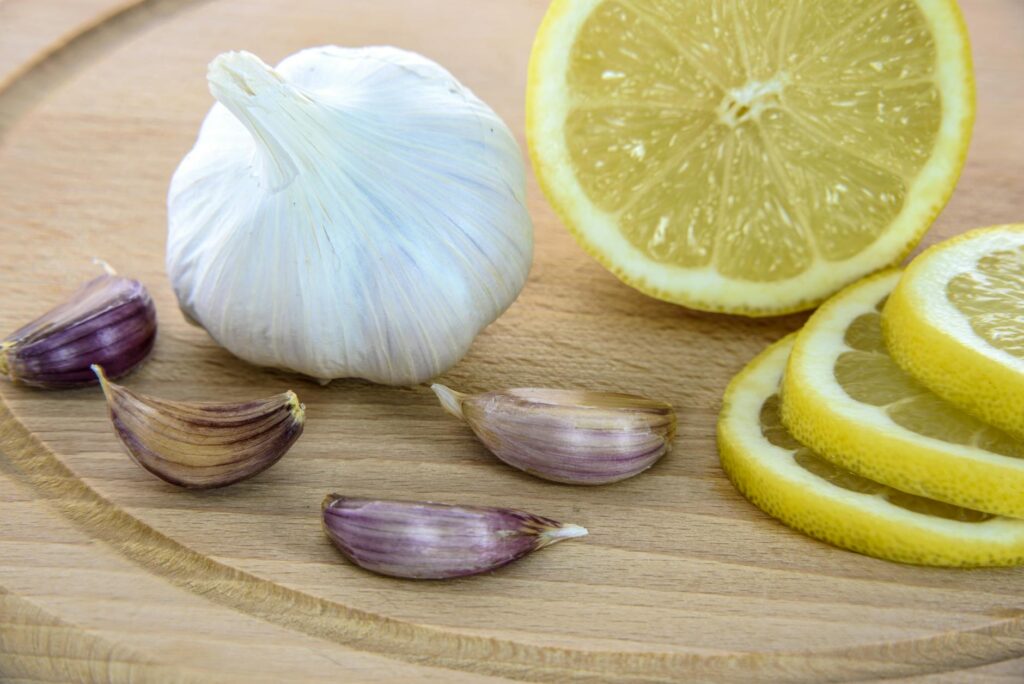
Photo by AS Photography on <a href="https://www.pexels.com/photo/onions-and-sliced-lemons-242178/" rel="nofollow">Pexels.com</a>
Your gut is home to trillions of bacteria that directly impact your energy, mood, immunity, and overall health. When this delicate ecosystem gets disrupted by stress, antibiotics, or poor diet choices, you might experience bloating, digestive issues, frequent illness, or unexplained fatigue.
This comprehensive guide on microbiome healing foods is designed for anyone ready to take control of their gut health naturally. You’ll discover exactly which foods can transform your digestive wellness and help you feel your best again.
We’ll walk you through the science behind your microbiome and why it matters so much for your health. You’ll get detailed lists of probiotic foods for gut health and prebiotic foods that nourish your beneficial bacteria. We’ll also cover powerful anti-inflammatory foods for gut repair and show you how to create a personalized gut healing meal plan that fits your lifestyle.
By the end, you’ll have everything you need to start healing your microbiome today and build lasting digestive health from the inside out.
Heal From the Inside, Feel the Energy Return — Support your body’s natural repair process with LoveBiome’s Gut Healing & Energy Support
Understanding Your Microbiome and Its Impact on Health
What Exactly Is Your Microbiome?
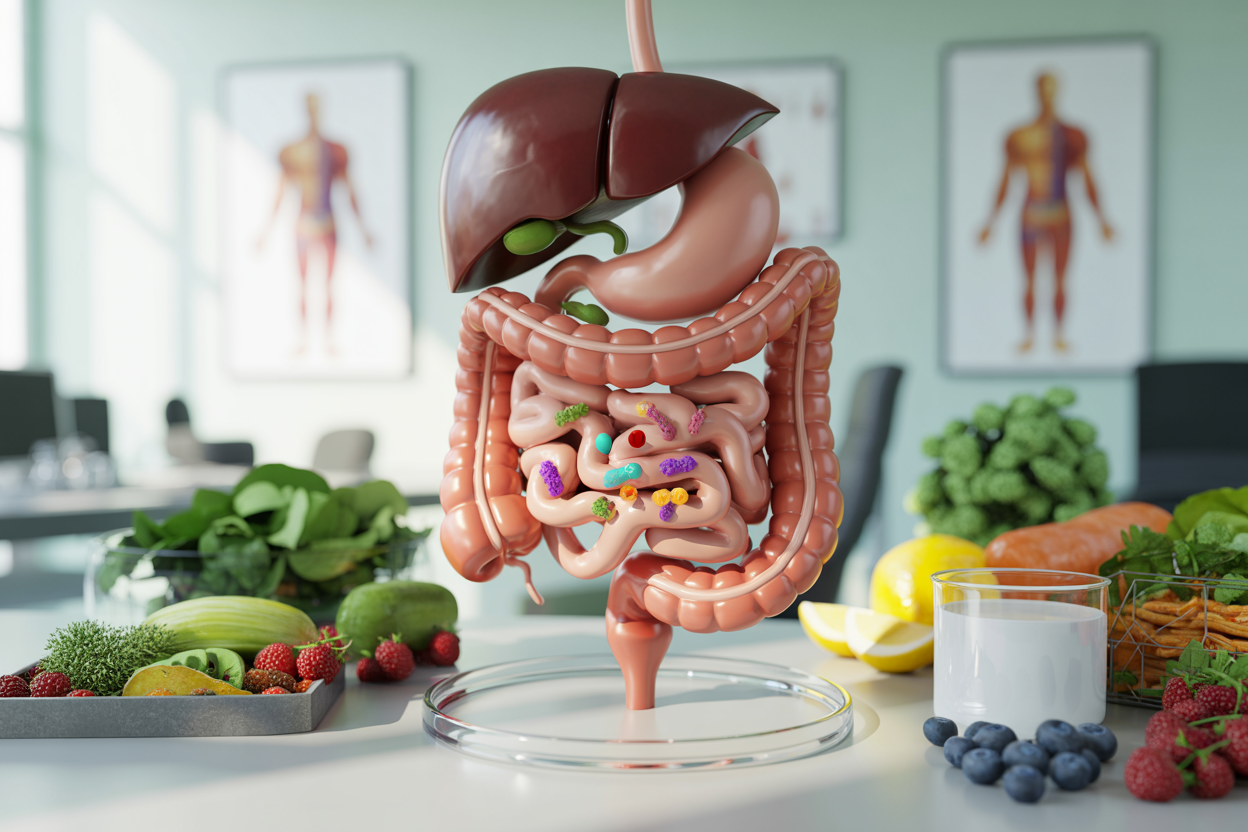
Your microbiome is like a bustling city of microorganisms living inside your gut. Picture trillions of bacteria, fungi, viruses, and other microbes calling your intestines home. These tiny residents aren’t just freeloaders – they’re working around the clock to keep you healthy. Your gut houses about 100 trillion of these microorganisms, which is roughly the same number of cells in your entire body.
Think of your microbiome as your body’s second brain. These microscopic allies help digest your food, produce essential vitamins, and even communicate with your actual brain through what scientists call the gut-brain axis. When your microbiome is thriving, you feel energized, mentally sharp, and physically strong. When it’s out of balance, you might experience digestive issues, mood swings, or frequent illnesses.
The Hidden Connection Between Gut Health and Overall Wellness
Your gut health impacts far more than just your digestion. Research shows that your microbiome influences your immune system, mental health, skin condition, and even your weight management. About 70% of your immune system lives in your gut, making your microbiome your first line of defense against harmful pathogens.
When you eat microbiome healing foods, you’re not just feeding yourself – you’re nourishing an entire ecosystem that supports your wellbeing. Your gut bacteria produce neurotransmitters like serotonin and dopamine, which directly affect your mood and mental clarity. This explains why you might feel sluggish or irritable when your gut health is compromised.
Signs Your Microbiome Needs Healing
Your body sends clear signals when your gut bacteria are struggling. You might notice frequent bloating, irregular bowel movements, or persistent fatigue. Food cravings, especially for sugar and processed foods, often indicate that harmful bacteria are overpowering the beneficial ones in your gut.
Other warning signs include frequent infections, skin problems like acne or eczema, and mood fluctuations. If you’ve recently taken antibiotics, experienced high stress, or relied heavily on processed foods, your microbiome likely needs extra support through targeted nutrition and gut health diet changes.
Probiotic Powerhouse Foods That Restore Bacterial Balance
Fermented Dairy: Your Daily Dose of Live Cultures
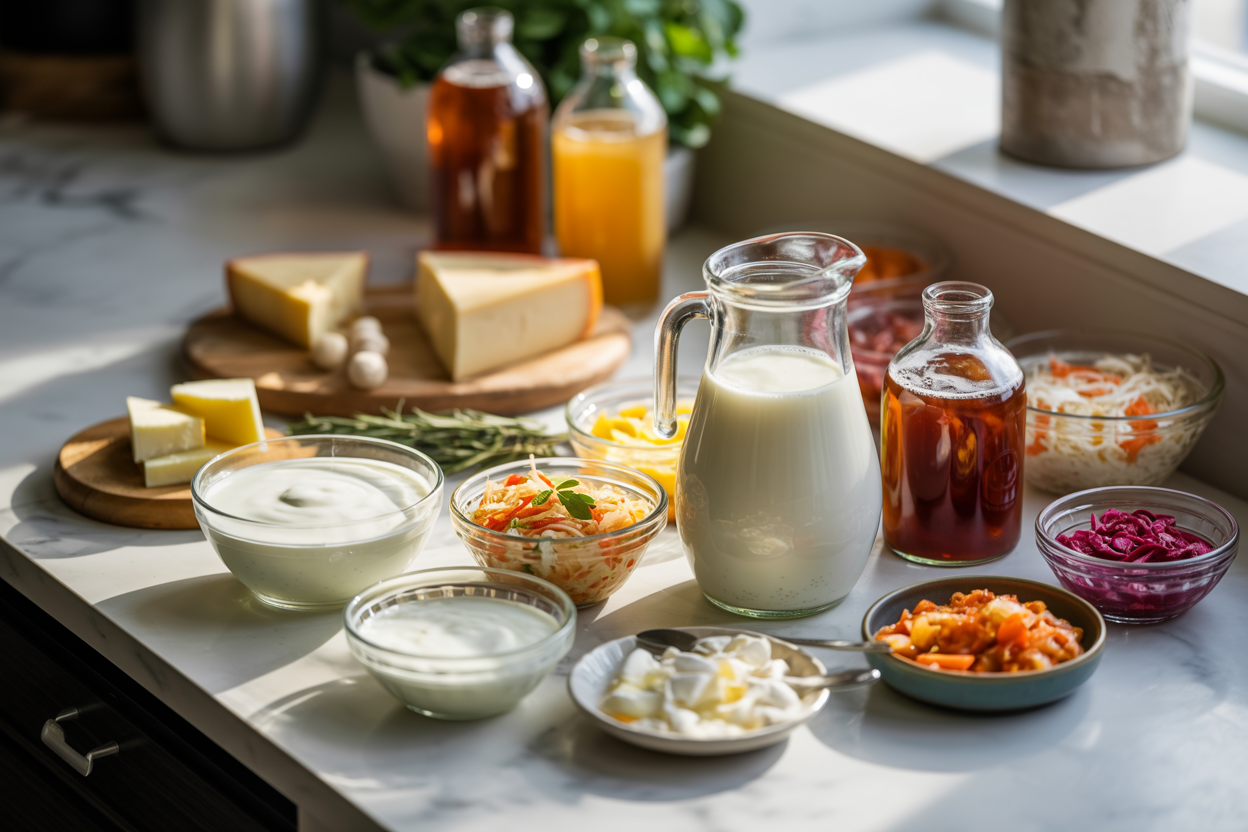
When it comes to probiotic foods for gut health, fermented dairy products are your most accessible allies. Plain Greek yogurt contains billions of live cultures, particularly Lactobacillus bulgaricus and Streptococcus thermophilus, which directly support your digestive system. Choose yogurts labeled “contains live and active cultures” to ensure you’re getting the maximum probiotic benefit.
Kefir packs an even stronger probiotic punch than yogurt, containing up to 61 different strains of beneficial bacteria and yeasts. This tangy, drinkable yogurt-like beverage provides your gut with a diverse microbial army that helps crowd out harmful bacteria. You can find plain kefir in most grocery stores or make your own using kefir grains.
Traditional buttermilk (not the cultured variety commonly sold in stores) and raw cheese aged for at least 60 days also deliver significant probiotic benefits. These foods introduce beneficial bacteria while providing protein and essential nutrients your body needs for optimal gut function.
Fermented Vegetables: Ancient Wisdom for Modern Gut Health
Sauerkraut stands as one of the most potent sources of probiotics in your diet. Just one serving can contain up to 28 different bacterial strains. The key is choosing unpasteurized versions from the refrigerated section, as pasteurization kills the beneficial bacteria you need.
Kimchi, Korea’s spicy fermented cabbage dish, offers similar benefits with added anti-inflammatory compounds from garlic, ginger, and red pepper flakes. These microbiome healing foods create an environment where good bacteria thrive while supporting your immune system.
Traditional pickles (not the vinegar-based varieties) and other lacto-fermented vegetables like carrots, beets, and green beans provide targeted probiotic strains that specifically support digestive health. You can easily make these at home using just salt, vegetables, and time.
Asian Fermented Foods: Expanding Your Probiotic Palette
Miso paste, made from fermented soybeans, delivers Aspergillus oryzae and other beneficial microorganisms that support your gut lining. Add a tablespoon to warm water for a probiotic-rich broth, or use it in marinades and dressings.
Tempeh, another fermented soy product, provides complete protein along with Rhizopus oligosporus, a fungus that produces natural antibiotics to help maintain bacterial balance in your digestive system. Unlike tofu, tempeh’s fermentation process makes it easier for your body to digest and absorb its nutrients.
Kombucha, though newer to Western diets, has been supporting gut health for centuries. This fermented tea contains SCOBY (symbiotic culture of bacteria and yeast) that introduces multiple probiotic strains while providing antioxidants from tea.
Optimal Timing and Serving Sizes
Your stomach acid levels fluctuate throughout the day, affecting probiotic survival. Take these foods on an empty stomach when acid levels are lower, or consume them with meals containing healthy fats, which can protect beneficial bacteria during digestion.
Aim for one to two servings of probiotic foods daily. Start with smaller portions if you’re new to fermented foods, as your digestive system needs time to adjust to increased bacterial diversity.
| Food | Serving Size | Probiotic Strains |
|---|---|---|
| Greek Yogurt | 1 cup | 2-6 strains |
| Kefir | 1/2 cup | 10-61 strains |
| Sauerkraut | 2 tablespoons | 10-28 strains |
| Kimchi | 2 tablespoons | 15-20 strains |
| Miso | 1 tablespoon | 5-10 strains |
Prebiotic Foods That Feed Your Good Bacteria
What Are Prebiotics and Why Your Gut Bacteria Need Them
Your gut bacteria are like tiny pets living inside you – and just like any pet, they need the right food to thrive. That’s where prebiotic foods come in. These special types of fiber act as fuel for your beneficial bacteria, helping them multiply and strengthen your microbiome from the inside out.
Unlike probiotics, which add new bacteria to your system, prebiotic foods list items work by feeding the good bacteria already living in your gut. When your beneficial bacteria feast on these fibers, they produce short-chain fatty acids that heal your intestinal lining and reduce inflammation throughout your body.
Top Prebiotic Powerhouses for Your Microbiome Diet Plan
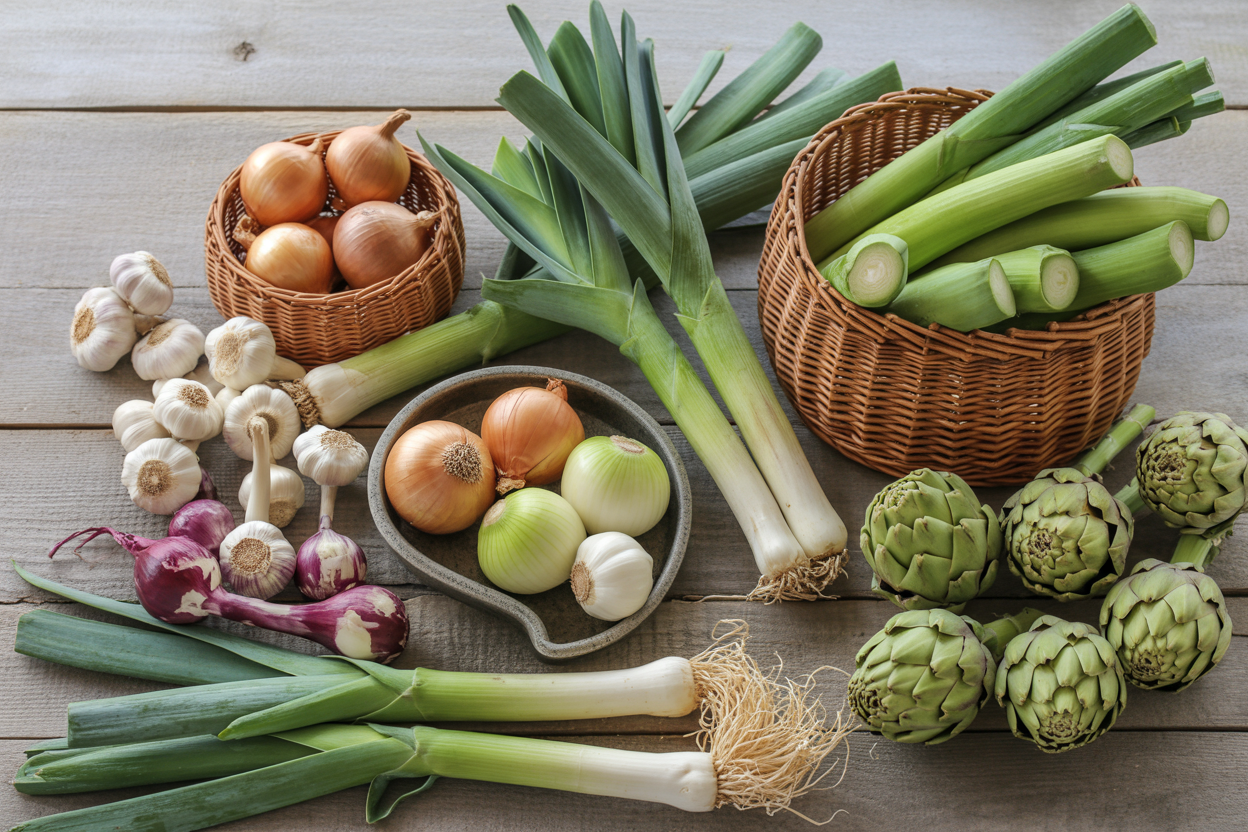
You’ll find some of the most powerful prebiotic foods hiding in your everyday grocery store. Garlic and onions top the list, packed with inulin that your gut bacteria absolutely love. Raw garlic contains the highest concentration, but cooked versions still deliver impressive benefits.
Asparagus ranks as another superstar, containing both inulin and fructooligosaccharides (FOS) that feed multiple strains of beneficial bacteria. Jerusalem artichokes, also called sunchokes, contain up to 76% inulin by weight, making them one of nature’s most concentrated prebiotic sources.
Bananas, especially when slightly green, provide resistant starch that bypasses digestion and heads straight to your colon where hungry bacteria await. Apples deliver pectin, a soluble fiber that promotes the growth of bifidobacteria while supporting your gut lining integrity.
Incorporating Prebiotic-Rich Foods Into Your Daily Meals
Start your morning with a sliced banana on top of oatmeal – you’re feeding your microbiome before you’ve even finished your coffee. The oats provide beta-glucan fiber while the banana adds resistant starch, creating a perfect prebiotic breakfast combo.
For lunch, toss raw or lightly cooked asparagus into your salads, or sauté it with garlic for a double prebiotic punch. Dandelion greens make an excellent addition to smoothies or salads, offering bitter compounds that stimulate digestive health while feeding beneficial bacteria.
Dinner becomes a microbiome-healing opportunity when you add caramelized onions to almost anything. These anti-inflammatory foods for gut health become even more powerful when you pair them with other prebiotic sources like leeks or artichoke hearts.
Best Timing and Preparation Methods
Your gut bacteria work around the clock, but they’re particularly active during certain times. Eating prebiotic foods throughout the day ensures a steady supply of fuel for your microbiome. Raw versions often contain higher prebiotic content, but don’t worry if you prefer them cooked – many prebiotic compounds remain stable even after heating.
Consider starting with smaller portions if you’re new to prebiotic foods. Your digestive system might need time to adjust, and gradually increasing your intake prevents uncomfortable bloating or gas. Aim for variety rather than massive quantities – different prebiotic fibers feed different bacterial strains, so rotating your choices creates a more diverse, resilient microbiome.
Anti-Inflammatory Foods That Heal Gut Lining
Your Body Wants to Heal — Give It the Right Support — Rebuild gut balance to restore mood, digestion, and steady energy with LoveBiome’s Inside-Out Healing System
Key Anti-Inflammatory Foods for Gut Health
Your gut lining acts as the first line of defense against harmful substances, and chronic inflammation can seriously damage this protective barrier. When you include anti-inflammatory foods for gut healing in your diet, you’re giving your intestinal lining the nutrients it needs to repair and strengthen itself.
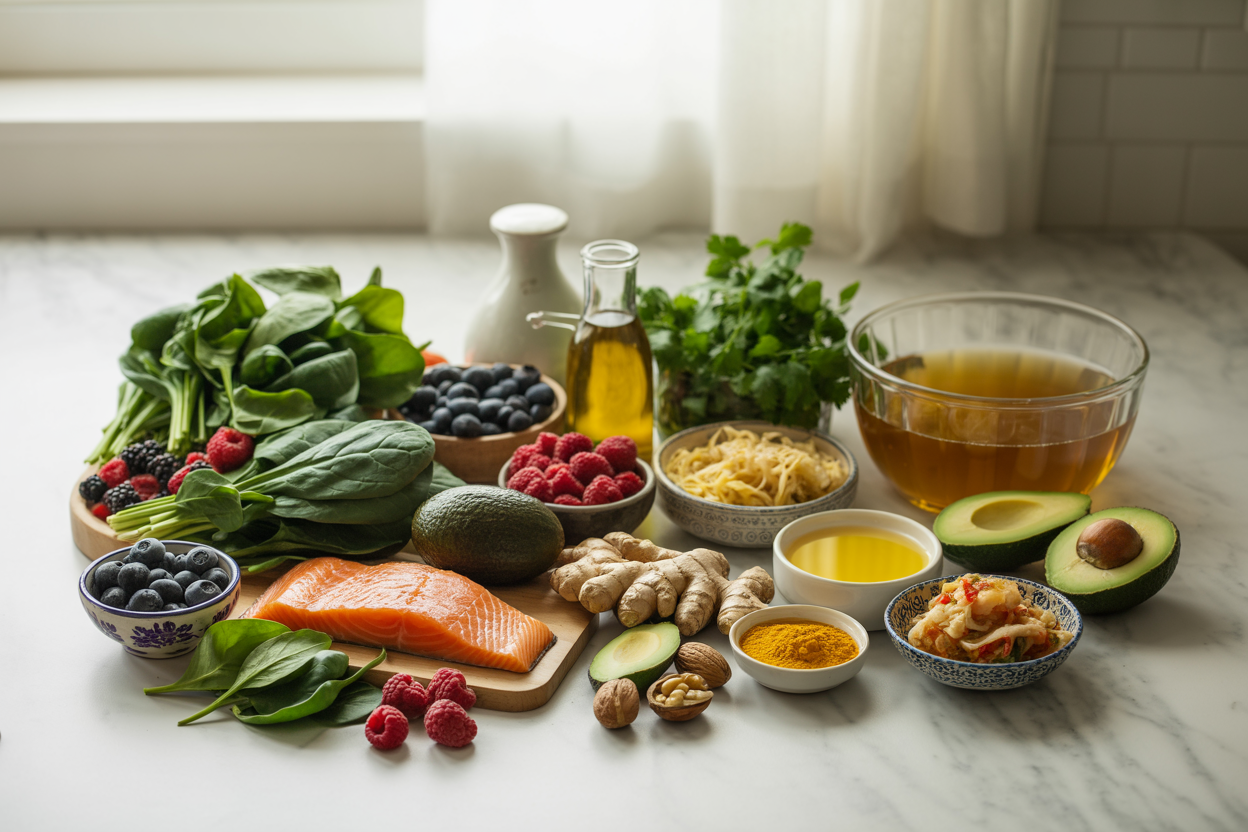
Fatty fish like salmon, mackerel, and sardines pack omega-3 fatty acids that actively reduce inflammation throughout your digestive tract. These healthy fats help maintain the integrity of your gut barrier while supporting beneficial bacteria growth. Aim for two servings of fatty fish per week to maximize these gut-healing benefits.
Leafy greens deserve a starring role in your microbiome healing foods lineup. Spinach, kale, and Swiss chard contain powerful antioxidants and compounds that calm inflammatory responses in your gut. The high fiber content in these vegetables also feeds your good bacteria, creating a double benefit for your microbiome health.
Colorful berries – blueberries, raspberries, and blackberries – are loaded with anthocyanins and polyphenols that specifically target gut inflammation. These compounds help repair damaged intestinal cells while promoting the growth of protective bacteria strains. Add a handful to your morning routine for consistent anti-inflammatory support.
Herbs and Spices That Reduce Gut Inflammation
Your spice rack holds some of the most potent anti-inflammatory weapons for your gut. Turmeric contains curcumin, which research shows can significantly reduce intestinal inflammation and help restore gut barrier function. Mix it into smoothies, curries, or golden milk for maximum absorption.
Ginger works as a natural anti-inflammatory agent that soothes your digestive tract while reducing oxidative stress. Fresh ginger root provides the most benefits, but dried ginger powder still offers substantial gut-healing properties. Try adding it to teas, stir-fries, or homemade broths.
Fresh herbs like basil, oregano, and parsley contain concentrated anti-inflammatory compounds that support gut lining repair. These herbs also possess antimicrobial properties that help maintain a healthy balance of gut bacteria. Use them generously in your cooking to boost both flavor and healing potential.
Foods to Avoid for Optimal Gut Healing
While focusing on anti-inflammatory foods for gut health, you’ll also need to minimize foods that trigger inflammation. Processed foods, refined sugars, and trans fats can undo the healing work you’re doing with beneficial foods.
Highly processed meats, packaged snacks, and foods with artificial additives create inflammatory responses that damage your gut lining. Your best foods for gut bacteria thrive when you remove these inflammatory triggers from your regular rotation.
Instead of completely eliminating favorite foods, try gradual substitutions. Replace processed snacks with nuts and seeds, swap refined grains for whole grain alternatives, and choose fresh fruits over sugary desserts. This approach makes your gut healing meal plan sustainable while reducing inflammation triggers.
Creating Your Personalized Microbiome-Healing Meal Plan
Heal the Damage. Restore the Energy. Feel Like Yourself Again — Support deep, inside-out recovery with LoveBiome’s Gut Healing for Lasting Energy
Adapting Your Diet Based on Individual Response
Your gut microbiome is as unique as your fingerprint, which means your personalized microbiome diet plan needs to reflect your individual responses to different foods. What works wonders for your friend’s gut health might leave you feeling bloated and uncomfortable. Pay close attention to how your body reacts to specific microbiome healing foods during the first few weeks of implementing your gut health diet.
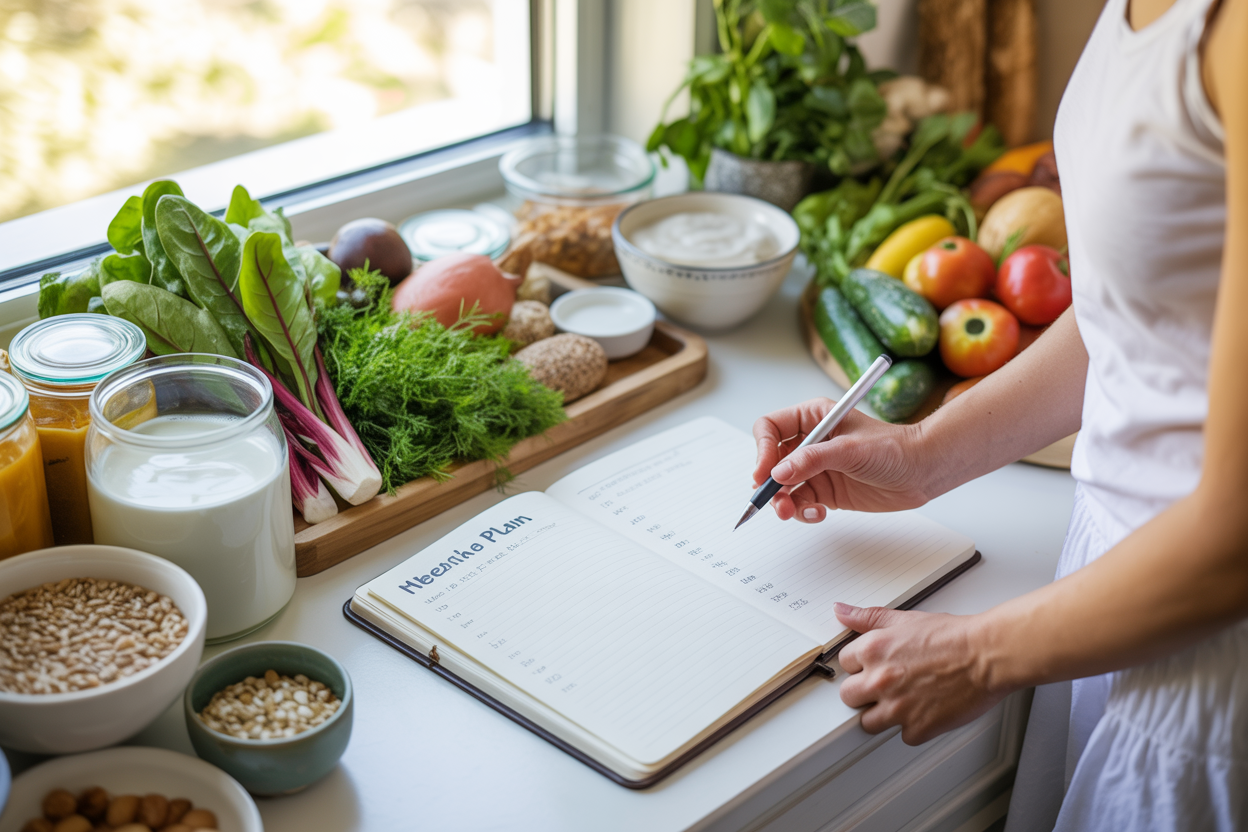
Start by introducing one new probiotic or prebiotic food at a time, waiting 3-5 days before adding another. This approach helps you identify which foods enhance your energy levels, improve digestion, and support overall well-being versus those that might cause temporary discomfort. Keep a simple food and symptom diary, noting your energy levels, sleep quality, digestive comfort, and mood changes.
Some people thrive on fermented vegetables like sauerkraut and kimchi, while others need to start with gentler options like kefir or yogurt. Your tolerance for high-fiber prebiotic foods will also vary – you might handle Jerusalem artichokes and garlic beautifully, while someone else needs to begin with smaller portions of bananas and oats.
Consider these adaptation strategies for your gut healing meal plan:
| Food Category | Start Small | Build Gradually |
|---|---|---|
| Fermented Foods | 1-2 tablespoons daily | Increase to 1/2 cup over 2-3 weeks |
| Prebiotic Fibers | 5-10 grams daily | Work up to 25-30 grams slowly |
| Anti-inflammatory Spices | Pinch amounts | Full therapeutic doses |
Your genetics, current gut bacteria composition, stress levels, and medication history all influence how quickly you can incorporate foods that improve gut health. If you experience excessive gas, bloating, or digestive upset, slow down your introduction timeline. This temporary discomfort often signals that your beneficial bacteria are growing and crowding out harmful microbes.
Monitor your progress weekly and adjust portion sizes, timing, and food combinations based on your body’s feedback. Your optimal microbiome diet plan will evolve as your gut health improves and your bacterial diversity increases.
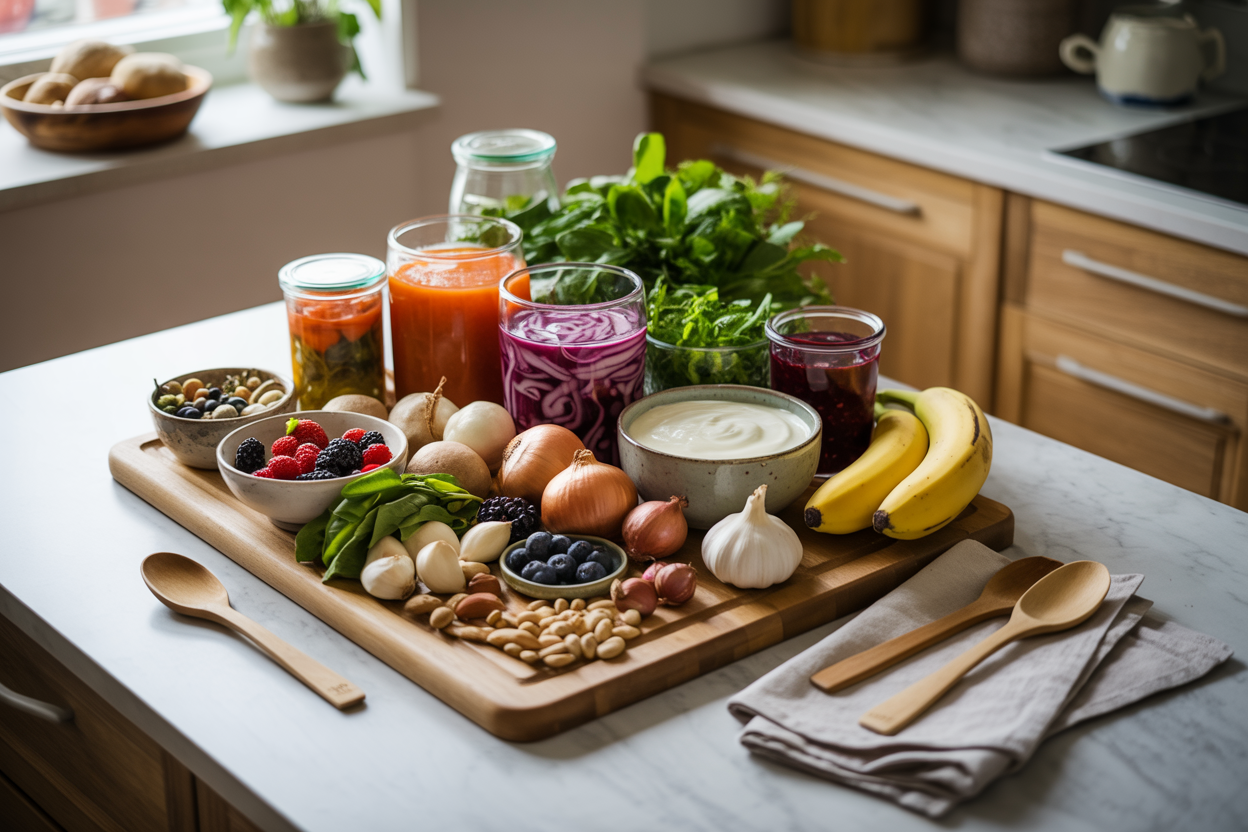
Your gut microbiome holds incredible power over your overall health, from digestion and immunity to mood and energy levels. By incorporating probiotic-rich foods like yogurt and fermented vegetables, feeding your beneficial bacteria with prebiotic fiber from garlic and bananas, and choosing anti-inflammatory options that repair your gut lining, you’re taking control of your wellness from the inside out.
Start small and build your microbiome-healing routine gradually. Pick one or two foods from each category and add them to your weekly grocery list. Your gut bacteria will begin to flourish within days, and you’ll likely notice improvements in how you feel within just a few weeks. Remember, healing your microbiome isn’t about perfection – it’s about consistency and making choices that support the trillions of beneficial microbes working hard to keep you healthy.
Chronic Fatigue Isn’t Random — It’s a Healing Issue — Address the root cause and reclaim real energy with LoveBiome’s Gut Healing Energy Formula