How to Cleanse Your Lungs: Natural Methods for Better Breathing
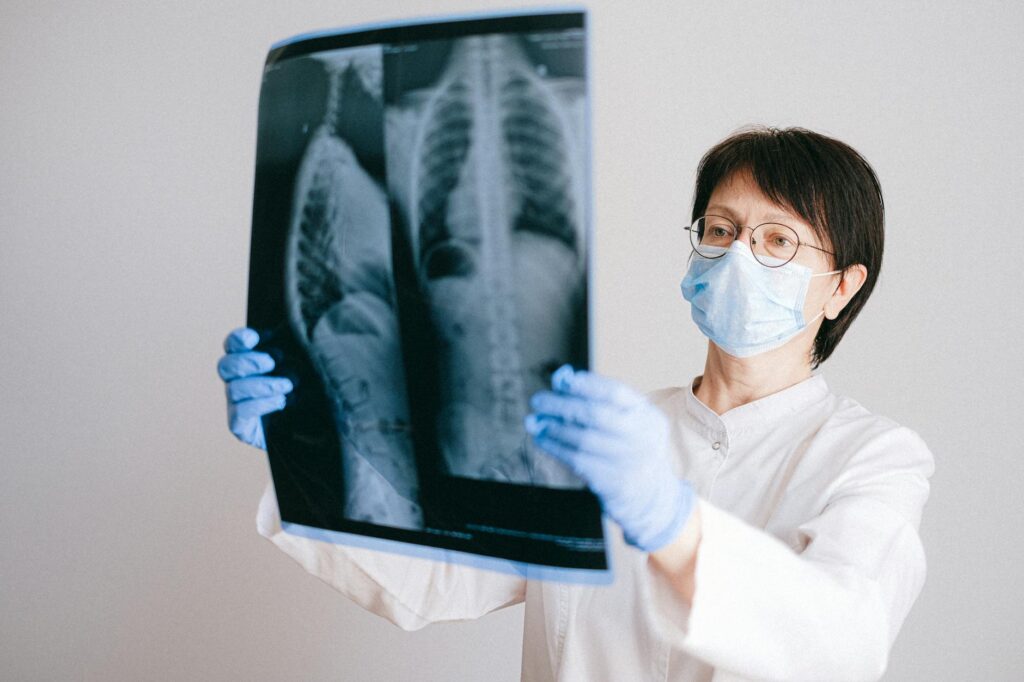
Photo by Anna Shvets on <a href="https://www.pexels.com/photo/a-doctor-looking-at-an-x-ray-result-4225878/" rel="nofollow">Pexels.com</a>
Your lungs work around the clock to keep you alive, filtering the air you breathe and removing harmful substances from your body. Learning how to cleanse your lungs naturally can help improve your breathing, boost energy levels, and support overall respiratory health through proven natural ways to support lungs.
Understanding Lung Health Basics
Your lungs are remarkable organs that process over 2,000 gallons of air daily. They contain tiny air sacs called alveoli that exchange oxygen and carbon dioxide with your bloodstream. When your lungs become overwhelmed with pollutants, allergens, or toxins, their efficiency decreases, making it harder to breathe and reducing oxygen delivery throughout your body.
The lung cleansing process involves removing accumulated mucus, toxins, and inflammatory particles that can interfere with normal breathing. This natural detoxification helps restore optimal lung function and can significantly improve your quality of life.
Many factors affect lung health, including air pollution, smoking, allergens, respiratory infections, and occupational exposures. Even if you’ve never smoked, your lungs may still benefit from periodic cleansing due to environmental pollutants present in most urban areas.
Signs Your Lungs Need Cleansing
Recognizing when your lungs need attention is the first step in maintaining respiratory health. Common signs include persistent coughing, especially in the morning, excess mucus production, shortness of breath during normal activities, frequent respiratory infections, and feeling tired despite adequate sleep.
Other indicators include wheezing sounds when breathing, chest tightness or discomfort, and reduced exercise tolerance. If you experience any of these symptoms regularly, it may be time to focus on lung cleansing methods.
People with existing respiratory conditions like asthma, COPD, or bronchitis often notice these symptoms more intensely. However, even healthy individuals can benefit from lung support, particularly those living in polluted environments or working in dusty conditions.
Ready to breathe easier? Start your lung cleansing journey with Pulmo Balance – a comprehensive formula designed to support respiratory health and help you cleanse your lungs naturally. Don’t wait another day to give your lungs the support they deserve!
Natural Ways to Support Lungs
Hydration and Steam Therapy
Staying properly hydrated is one of the simplest yet most effective natural ways to support lungs. Water helps thin mucus secretions, making them easier to expel from your respiratory system. Aim for at least 8-10 glasses of water daily, and consider adding lemon for extra vitamin C benefits.
Steam therapy provides immediate relief for congested lungs. Fill a large bowl with hot water, place a towel over your head, and breathe in the steam for 10-15 minutes. Adding essential oils like eucalyptus or peppermint can enhance the cleansing effects.
Hot showers or visits to saunas can provide similar benefits. The warm, moist air helps loosen mucus and opens airways, making breathing easier and more comfortable.
Physical Activity and Exercise
Regular physical activity is crucial for maintaining healthy lungs. Exercise increases lung capacity, strengthens respiratory muscles, and improves overall circulation. Even moderate activities like walking, swimming, or cycling can significantly benefit lung function.
Cardiovascular exercises force your lungs to work harder, which helps clear out stagnant air and mucus. This natural process strengthens your respiratory system and improves its ability to handle everyday demands.
Start with gentle activities if you’re dealing with respiratory issues, and gradually increase intensity as your lung function improves. Always consult healthcare providers before beginning new exercise programs, especially if you have existing respiratory conditions.
Best Lung Detox Herbs
Mullein
Mullein stands out as one of the best lung detox herbs, traditionally used for centuries to support respiratory health. This gentle herb helps soothe irritated airways, reduce inflammation, and promote the expulsion of mucus from the lungs. You can consume mullein as tea, tincture, or supplement form.
The leaves contain compounds called saponins that have expectorant properties, helping your body naturally clear respiratory passages. Many people find mullein tea particularly soothing when dealing with persistent coughs or chest congestion.
Eucalyptus
Eucalyptus contains powerful compounds called eucalyptol that help break down mucus and reduce inflammation in the respiratory tract. This versatile herb can be used in steam inhalations, consumed as tea, or taken in supplement form.
The antimicrobial properties of eucalyptus also help fight respiratory infections that can compromise lung health. Many commercial chest rubs and cough drops contain eucalyptus oil for this reason.
Licorice Root
Licorice root acts as a natural expectorant and anti-inflammatory agent. It helps soothe irritated throat and lung tissues while promoting the removal of excess mucus. This herb is particularly beneficial for people with chronic respiratory conditions.
However, licorice root can interact with certain medications and may not be suitable for people with high blood pressure. Always consult healthcare providers before using licorice root supplements regularly.
Plantain
Plantain is another excellent herb for lung health, known for its ability to reduce inflammation and support the healing of damaged respiratory tissues. It contains compounds that help thin mucus and make it easier to expel from the lungs.
This herb is generally well-tolerated and can be consumed as tea or taken in supplement form. Many herbalists recommend plantain for both acute respiratory issues and long-term lung support.
Lung Antioxidant Supplements
Vitamin C
Vitamin C tops the list of lung antioxidant supplements due to its powerful ability to protect lung tissues from oxidative damage. This essential vitamin supports immune function and helps maintain the health of respiratory passages.
Studies show that people with higher vitamin C intake tend to have better lung function and lower rates of respiratory problems. The recommended daily intake ranges from 500-1000mg for lung support, though individual needs may vary.
Vitamin C also enhances the absorption of other nutrients and supports the body’s natural detoxification processes. Choose high-quality supplements or increase intake of vitamin C-rich foods like citrus fruits, berries, and leafy greens.
N-Acetyl Cysteine (NAC)
NAC is a precursor to glutathione, one of the body’s most important antioxidants. This supplement helps break down mucus, reduce inflammation, and protect lung tissues from damage caused by toxins and pollutants.
Research shows NAC can be particularly beneficial for people with chronic respiratory conditions, helping improve breathing and reduce the frequency of respiratory infections. The typical dosage ranges from 600-1200mg daily.
NAC also supports liver detoxification, which indirectly benefits lung health by reducing the overall toxic burden on your body. This dual action makes it an excellent choice for comprehensive lung cleansing.
Quercetin
Quercetin is a natural flavonoid with potent anti-inflammatory and antihistamine properties. It helps stabilize mast cells that release inflammatory compounds, making it particularly useful for people with allergic respiratory conditions.
This powerful antioxidant also supports immune function and helps protect lung tissues from environmental damage. Many people find quercetin helpful for managing seasonal allergies that affect breathing.
Typical dosages range from 500-1000mg daily, preferably taken with meals to improve absorption. Quercetin works synergistically with vitamin C, so many supplements combine these nutrients for enhanced effectiveness.
Struggling with seasonal breathing issues? Discover how Pulmo Balance can help you breathe freely year-round with its powerful blend of quercetin, NAC, and other lung-supporting nutrients. Take control of your respiratory health today!
Supplements for Asthma Support
Magnesium
Magnesium deficiency is common among people with asthma, and supplementation can help improve breathing and reduce the frequency of asthma attacks. This mineral helps relax bronchial muscles and reduces inflammation in the airways.
Studies suggest that supplements for asthma support should include adequate magnesium, as it acts as a natural bronchodilator. The typical dosage ranges from 200-400mg daily, preferably in easily absorbed forms like magnesium glycinate.
Magnesium also supports better sleep quality, which is important for people with asthma who often experience nighttime breathing difficulties. Better sleep helps reduce stress and inflammation, further supporting respiratory health.
Omega-3 Fatty Acids
Omega-3 fatty acids help reduce inflammation throughout the body, including in the respiratory system. These essential fats can help decrease the severity and frequency of asthma symptoms when taken regularly.
Fish oil supplements containing EPA and DHA are the most studied forms, with typical dosages ranging from 1-3 grams daily. Plant-based omega-3 sources like flaxseed oil can also be beneficial, though they may be less potent.
The anti-inflammatory effects of omega-3s extend beyond asthma support, helping improve overall cardiovascular health and reducing systemic inflammation that can affect breathing.
Vitamin D
Many people with asthma have inadequate vitamin D levels, and supplementation can help improve lung function and reduce respiratory infections. Vitamin D supports immune system regulation and helps prevent excessive inflammatory responses.
Research shows that maintaining optimal vitamin D levels may reduce asthma exacerbations and improve overall respiratory health. Most adults need 1000-4000 IU daily, though individual requirements vary based on sun exposure and baseline levels.
Regular testing can help determine your optimal vitamin D dosage, as both deficiency and excess can cause problems. This fat-soluble vitamin is best absorbed when taken with meals containing healthy fats.
Supplements for COPD Support
Coenzyme Q10
CoQ10 is a powerful antioxidant that supports cellular energy production and can be particularly beneficial for people with COPD. This supplement helps improve exercise tolerance and reduces fatigue associated with breathing difficulties.
Studies show that supplements for COPD support should include CoQ10, as it helps protect lung tissues from oxidative damage and supports the energy-demanding process of breathing. Typical dosages range from 100-300mg daily.
The ubiquinol form of CoQ10 is generally better absorbed than ubiquinone, especially in older adults. This supplement works best when taken consistently over several months to build up tissue levels.
Alpha-Lipoic Acid
Alpha-lipoic acid is a unique antioxidant that works in both water and fat-soluble environments, providing comprehensive protection for lung tissues. It helps regenerate other antioxidants and supports cellular energy production.
This supplement can help reduce inflammation and oxidative stress associated with COPD, potentially slowing disease progression. The typical dosage ranges from 300-600mg daily, preferably taken on an empty stomach for better absorption.
Alpha-lipoic acid also supports blood sugar regulation, which is important for people with COPD who may have diabetes or metabolic complications from long-term steroid use.
Acetyl-L-Carnitine
Acetyl-L-carnitine supports cellular energy production and can help improve exercise tolerance in people with COPD. This amino acid derivative helps muscles use oxygen more efficiently, reducing shortness of breath during physical activity.
Research suggests this supplement may help prevent muscle wasting associated with advanced COPD while supporting overall energy levels. Typical dosages range from 500-2000mg daily, divided into multiple doses.
The acetyl form is preferred over regular L-carnitine as it crosses the blood-brain barrier more easily and provides additional neurological benefits that can help with the cognitive effects sometimes associated with COPD.
Managing Shortness of Breath
Breathing Techniques
Learning proper breathing techniques is essential for managing shortness of breath and supporting overall lung function. Pursed-lip breathing is one of the most effective methods, involving inhaling through the nose and exhaling slowly through pursed lips.
Diaphragmatic breathing, also called belly breathing, helps strengthen the diaphragm and improve breathing efficiency. Practice by placing one hand on your chest and another on your belly, ensuring the lower hand moves more during breathing.
Box breathing, used by athletes and military personnel, involves inhaling for four counts, holding for four, exhaling for four, and holding empty for four. This technique helps calm the nervous system and improve breathing control.
Supplements for Shortness of Breath
Specific supplements for shortness of breath can provide additional support beyond general lung health nutrients. Cordyceps mushroom extract has been traditionally used to improve oxygen utilization and reduce breathing difficulties.
Rhodiola rosea is an adaptogenic herb that helps improve oxygen efficiency and reduce fatigue associated with breathing difficulties. This supplement can be particularly helpful for people experiencing shortness of breath during physical activity.
Hawthorn berry extract supports cardiovascular health, which directly impacts breathing comfort. Since heart and lung function are closely connected, supporting cardiac health often improves respiratory symptoms.
Tired of feeling breathless during daily activities? Experience the difference with Pulmo Balance – specially formulated to support oxygen utilization and help you regain your active lifestyle. Your lungs will thank you!
Lung Detox for Smokers
Immediate Steps
For current or former smokers, lung detox for smokers requires a comprehensive approach that addresses the accumulated damage from tobacco exposure. The first and most important step is complete smoking cessation, as continued smoking prevents any meaningful lung healing.
Within 24 hours of quitting, lung function begins to improve as carbon monoxide levels decrease and oxygen delivery increases. Within weeks, circulation improves and lung capacity starts to increase, making breathing easier.
Supporting this natural healing process with targeted nutrients and herbs can accelerate recovery and help manage withdrawal symptoms. Many former smokers find that lung cleansing methods help reduce cravings and ease the transition to smoke-free living.
Specific Detox Protocols
Beta-carotene and other carotenoids help repair damaged lung tissues and provide protection against further oxidative damage. However, synthetic beta-carotene supplements may be harmful for current smokers, so focus on food sources like carrots, sweet potatoes, and leafy greens.
Selenium is a crucial mineral for lung detoxification, helping activate enzymes that break down toxins from cigarette smoke. Brazil nuts are an excellent source, with just 1-2 nuts providing adequate daily selenium.
Green tea contains compounds called catechins that help protect against lung damage and support the detoxification process. Drinking 2-3 cups daily provides meaningful antioxidant support for healing lungs.
Breathing Exercises and Techniques
Deep Breathing Fundamentals
Proper deep breathing techniques form the foundation of any lung cleansing program. Most people breathe shallowly, using only the upper portion of their lungs. Learning to breathe deeply activates the entire respiratory system and promotes better oxygen exchange.
Start by sitting comfortably with your back straight. Place one hand on your chest and one on your abdomen. Breathe in slowly through your nose, allowing your abdomen to rise while keeping your chest relatively still. This ensures you’re using your diaphragm effectively.
Exhale slowly through slightly pursed lips, taking twice as long to exhale as you did to inhale. This extended exhale helps remove stale air from the bottom of your lungs and promotes relaxation of the respiratory muscles.
Practice this technique for 5-10 minutes several times daily. Over time, deep breathing becomes more natural and helps improve overall lung capacity and efficiency.

Advanced Breathing Methods
The 4-7-8 breathing technique is particularly effective for stress reduction and lung cleansing. Inhale through your nose for 4 counts, hold your breath for 7 counts, then exhale through your mouth for 8 counts. This pattern helps slow your heart rate and promotes deep relaxation.
Alternate nostril breathing, derived from yoga practices, helps balance the nervous system and improve respiratory function. Using your thumb and ring finger, alternately close each nostril while breathing slowly and deliberately through the open nostril.
Breath retention exercises, when done safely, can help strengthen respiratory muscles and improve lung capacity. Start with short retention periods and gradually increase as your comfort and ability improve. Always stop if you feel dizzy or uncomfortable.
Dietary Changes for Lung Health
Anti-Inflammatory Foods
Your diet plays a crucial role in lung health and the ability to cleanse your lungs effectively. Anti-inflammatory foods help reduce respiratory inflammation and support the healing process. Focus on colorful fruits and vegetables rich in antioxidants and phytonutrients.
Berries, especially blueberries and blackberries, contain powerful compounds called anthocyanins that protect lung tissues from damage. Leafy greens like spinach, kale, and Swiss chard provide folate, vitamin K, and other nutrients essential for respiratory health.
Fatty fish rich in omega-3 fatty acids, such as salmon, mackerel, and sardines, help reduce inflammation throughout the body, including the respiratory system. Aim for 2-3 servings per week to get optimal anti-inflammatory benefits.
Cruciferous vegetables like broccoli, cauliflower, and Brussels sprouts contain compounds that support the body’s natural detoxification processes. These vegetables help the liver process and eliminate toxins that might otherwise burden the lungs.
Foods to Avoid
Certain foods can increase inflammation and make lung cleansing more difficult. Processed foods high in refined sugars, trans fats, and artificial additives can promote inflammation and interfere with immune function.
Dairy products may increase mucus production in some people, particularly those with respiratory sensitivities. While dairy isn’t problematic for everyone, reducing intake during active lung cleansing periods may be beneficial.
Excessive salt intake can worsen breathing difficulties and increase inflammation. Choose fresh, whole foods over processed options, and flavor meals with herbs and spices instead of relying on high-sodium seasonings.
Alcohol can interfere with immune function and liver detoxification, both important for lung health. Limiting alcohol intake supports your body’s natural cleansing processes and improves overall respiratory function.
Hydrating Foods and Beverages
Proper hydration is essential for maintaining healthy mucus consistency and supporting lung function. Water-rich foods like cucumbers, watermelon, oranges, and soups contribute to overall hydration while providing additional nutrients.
Herbal teas offer both hydration and therapeutic benefits. Ginger tea helps reduce inflammation and supports immune function, while peppermint tea can help open airways and ease breathing. Green tea provides antioxidants that protect lung tissues from damage.
Warm broths and soups, especially those made with bone broth, provide hydration, minerals, and amino acids that support tissue repair and immune function. The warm liquid also helps loosen mucus and makes it easier to expel.
Coconut water offers natural electrolytes that support proper hydration without added sugars or artificial ingredients. This can be particularly beneficial during exercise or in hot weather when maintaining proper hydration becomes more challenging.
Environmental Factors to Consider
Indoor Air Quality
Improving indoor air quality is essential when working to cleanse your lungs. Use air purifiers with HEPA filters to remove particles, allergens, and pollutants from your living space. Change filters regularly and focus on bedrooms and main living areas.
Houseplants can naturally improve air quality by filtering toxins and producing oxygen. Spider plants, peace lilies, and snake plants are particularly effective at removing common indoor pollutants like formaldehyde, benzene, and xylene.
Avoid synthetic fragrances, harsh cleaning chemicals, and aerosol products that can irritate sensitive respiratory tissues. Choose natural, fragrance-free alternatives whenever possible to reduce the toxic burden on your lungs.
Regular cleaning reduces dust, mold, and allergen accumulation that can trigger respiratory symptoms. Use damp cloths rather than dry dusting, and vacuum frequently with a HEPA-filter equipped machine.
Proper ventilation is crucial for maintaining healthy indoor air. Open windows when outdoor air quality is good, use exhaust fans in kitchens and bathrooms, and ensure HVAC systems are properly maintained and filtered.
Outdoor Considerations
Monitor local air quality reports and limit outdoor activities during high pollution days. Early morning and late evening often have cleaner air than midday hours in urban areas when traffic and industrial emissions peak.
When exercising outdoors, choose routes away from heavy traffic and industrial areas. Parks, waterfront areas, and residential neighborhoods typically have cleaner air than busy roads and highways.
Consider wearing masks during high pollution periods or when doing yard work that stirs up dust and particles. N95 masks provide good protection against particulate matter, while cloth masks offer minimal protection against air pollution.
Plan outdoor activities around weather patterns. Rain can help clear air pollution, making post-storm periods ideal for outdoor exercise. Windy conditions can either improve or worsen air quality depending on wind direction and pollution sources.
Workplace and Occupational Health
Many workplaces expose employees to dust, chemicals, or other airborne irritants that can affect lung health. If your job involves such exposures, use appropriate protective equipment and follow safety protocols consistently.
Advocate for better ventilation and air filtration systems in your workplace. Even small improvements in air quality can significantly impact respiratory health over time, especially for people spending 8+ hours daily in these environments.
Take regular breaks in fresh air when possible, and consider using a small desktop air purifier in your work area. These simple steps can help reduce your overall exposure to workplace air pollutants.
If you work in a high-risk environment, regular lung function monitoring may be beneficial. Early detection of respiratory issues allows for prompt intervention and better long-term outcomes.
Ready to transform your lung health? Get started with Pulmo Balance today and experience the powerful combination of science-backed ingredients designed to cleanse your lungs and support optimal respiratory function. Your journey to better breathing starts now!

Creating Your Lung Cleansing Plan
Developing a personalized approach to cleanse your lungs involves combining multiple strategies for maximum effectiveness. Start with basic lifestyle changes like staying hydrated, exercising regularly, and improving air quality before adding supplements.
Begin with gentle methods like steam therapy and breathing exercises, then gradually incorporate herbs and supplements as needed. Keep a journal to track improvements in breathing, energy levels, and overall well-being.
Work with healthcare providers to ensure your lung cleansing plan complements any existing treatments for respiratory conditions. Some herbs and supplements can interact with medications, so professional guidance is important for safety.
Remember that lung cleansing is an ongoing process rather than a quick fix. Consistency with healthy habits provides the best long-term results for respiratory health and overall well-being.
Set realistic goals and celebrate small improvements along the way. Even modest changes in breathing ease, energy levels, or exercise tolerance indicate that your lung cleansing efforts are working effectively.