Why Your Gut Health Determines Your Mental Health

Photo by Eking Talampas on <a href="https://www.pexels.com/photo/a-photographer-wearing-a-black-face-mask-and-holding-a-dslr-camera-11750492/" rel="nofollow">Pexels.com</a>
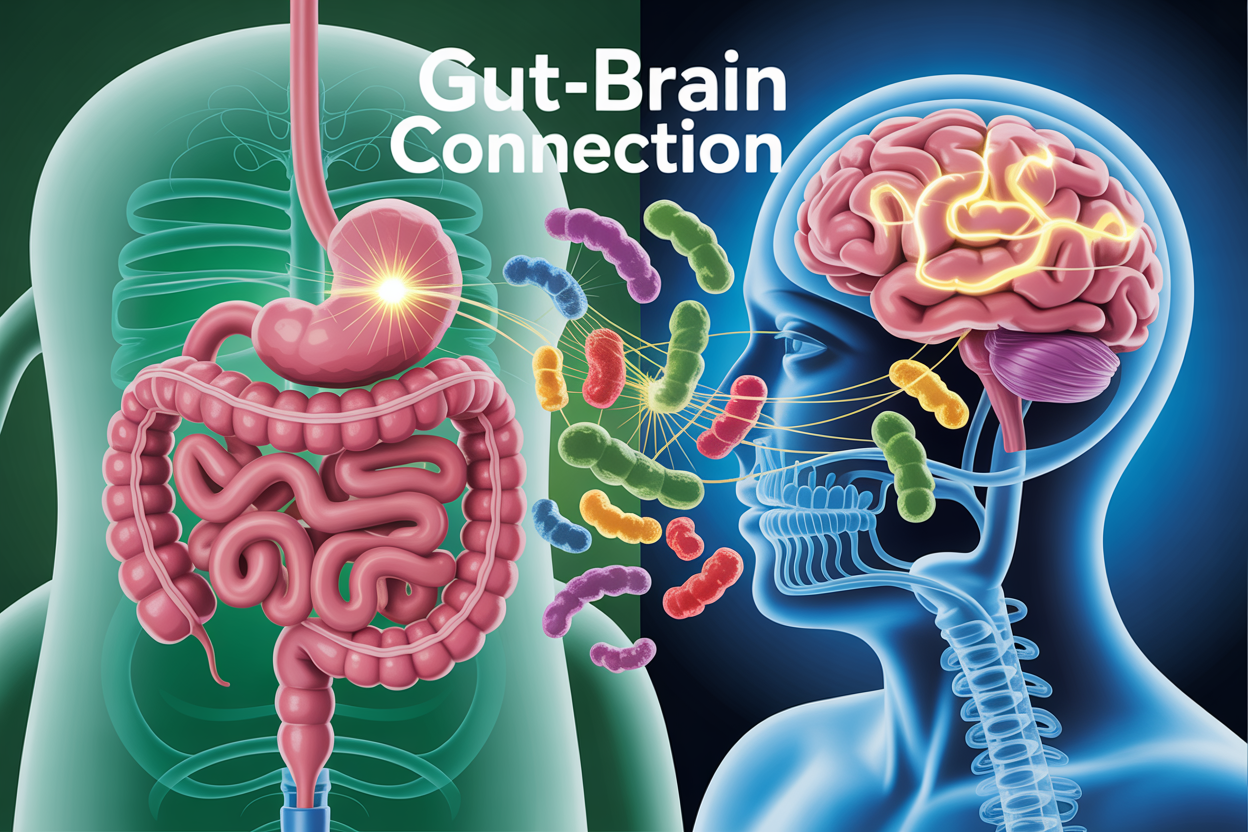
Are you struggling with anxiety, depression, or brain fog despite trying everything? The answer might be hiding in your gut. Your gut health and mental health are more connected than you ever imagined, and fixing one can dramatically improve the other.
This guide is for anyone who:
- Deals with unexplained mood swings, anxiety, or depression
- Experiences brain fog, poor concentration, or mental fatigue
- Wants to understand why traditional mental health approaches haven’t worked
- Is ready to try a science-backed approach to better mental wellness
Here’s what you’ll discover:
The gut-brain connection works like a two-way highway between your digestive system and brain. When your gut bacteria and mood are out of balance, your mental health suffers. We’ll explore how your microbiome mental health directly impacts everything from anxiety levels to cognitive function.
You’ll learn exactly how poor gut health affects brain function and why your intestinal health and brain are basically best friends who need to work together. Most importantly, we’ll cover practical steps for how to heal gut for mental health, including which probiotics for depression actually work and daily habits that strengthen your gut brain axis explained in simple terms.
Ready to stop treating symptoms and start addressing the root cause of your mental health struggles? Let’s dive into the fascinating world where your gut microbiome and anxiety levels meet.
Ready to fix your gut and reclaim your energy? Start your wellness reset today with LoveBiome’s powerful microbiome solutions and take control of your health from the inside out.
Discover the Gut-Brain Connection That Controls Your Mood
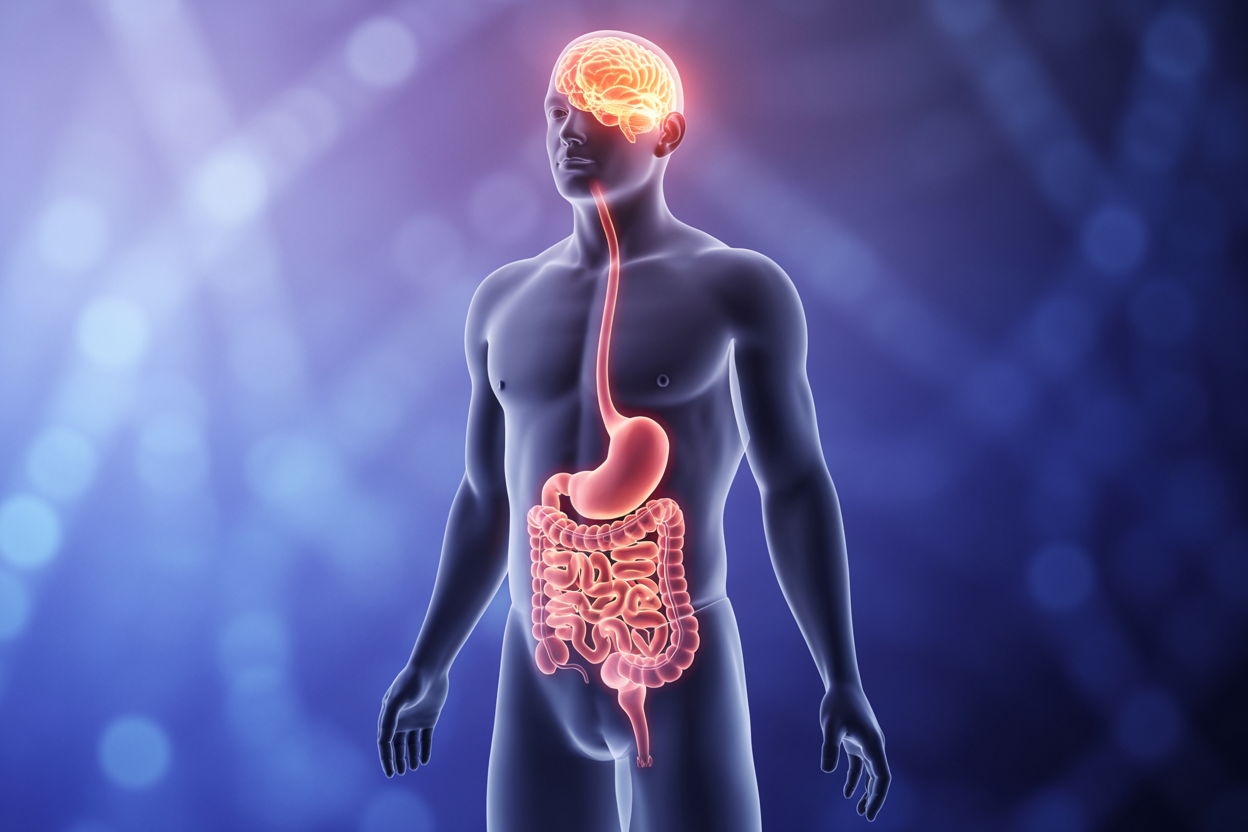
How Your Second Brain in Your Gut Communicates with Your Head
Your intestines contain over 500 million neurons – that’s five times more than your spinal cord. Scientists call this intricate network the enteric nervous system, or your “second brain.” This gut-brain connection operates independently from your central nervous system, yet maintains constant communication with your head brain through multiple pathways.
The enteric nervous system monitors everything happening in your digestive tract, from nutrient absorption to bacterial activity. When your gut bacteria produce neurotransmitters like GABA, dopamine, and norepinephrine, these chemical messengers directly influence your mood and cognitive function. Your gut microbiome essentially acts as a biochemical factory, churning out compounds that your brain interprets as signals for happiness, anxiety, focus, or fatigue.
This bidirectional communication means your thoughts can trigger digestive issues, while gut inflammation can spark brain fog and depression. The gut-brain connection explains why you feel butterflies when nervous or experience stomach problems during stressful periods.
The Vagus Nerve Highway Between Your Stomach and Mind
The vagus nerve serves as the primary information superhighway connecting your gut and brain. This cranial nerve stretches from your brainstem down through your chest and into your abdomen, carrying signals in both directions at lightning speed.
Research shows that 80% of vagus nerve fibers carry information from your gut to your brain, not the other way around. Your gut microbiome directly stimulates vagus nerve activity, sending real-time updates about your intestinal environment to your brain’s emotional and cognitive centers.
When beneficial bacteria like Lactobacillus and Bifidobacterium flourish in your gut, they activate vagus nerve pathways that promote calm, focused mental states. Conversely, harmful bacteria and gut inflammation trigger vagus nerve signals that your brain interprets as stress, anxiety, or depression.
Strengthening vagal tone through breathing exercises, cold exposure, and meditation improves this gut-brain communication, leading to better mood regulation and mental clarity.
Why 90% of Your Serotonin Actually Lives in Your Gut
Most people think serotonin comes from the brain, but your intestines produce approximately 90% of your body’s serotonin supply. Specialized cells in your gut lining called enterochromaffin cells manufacture this crucial “happiness hormone” in response to signals from your gut bacteria and food intake.
Your gut microbiome directly influences serotonin production through specific bacterial strains that either boost or inhibit synthesis. Beneficial bacteria like Enterococcus and certain Streptococcus species increase serotonin levels, while pathogenic bacteria can suppress production, contributing to depression and anxiety.
The serotonin produced in your gut doesn’t cross the blood-brain barrier, but it powerfully affects your mood through the gut-brain connection. Gut-derived serotonin influences the vagus nerve, which then signals your brain to release its own serotonin and other mood-regulating neurotransmitters.
This explains why gut health affects brain function so dramatically. Poor digestive health, antibiotic use, and processed foods can devastate your gut’s serotonin production, leading to mood disorders that traditional antidepressants might not fully address without also healing the microbiome.
Identify the Gut Bacteria That Make or Break Your Mental State
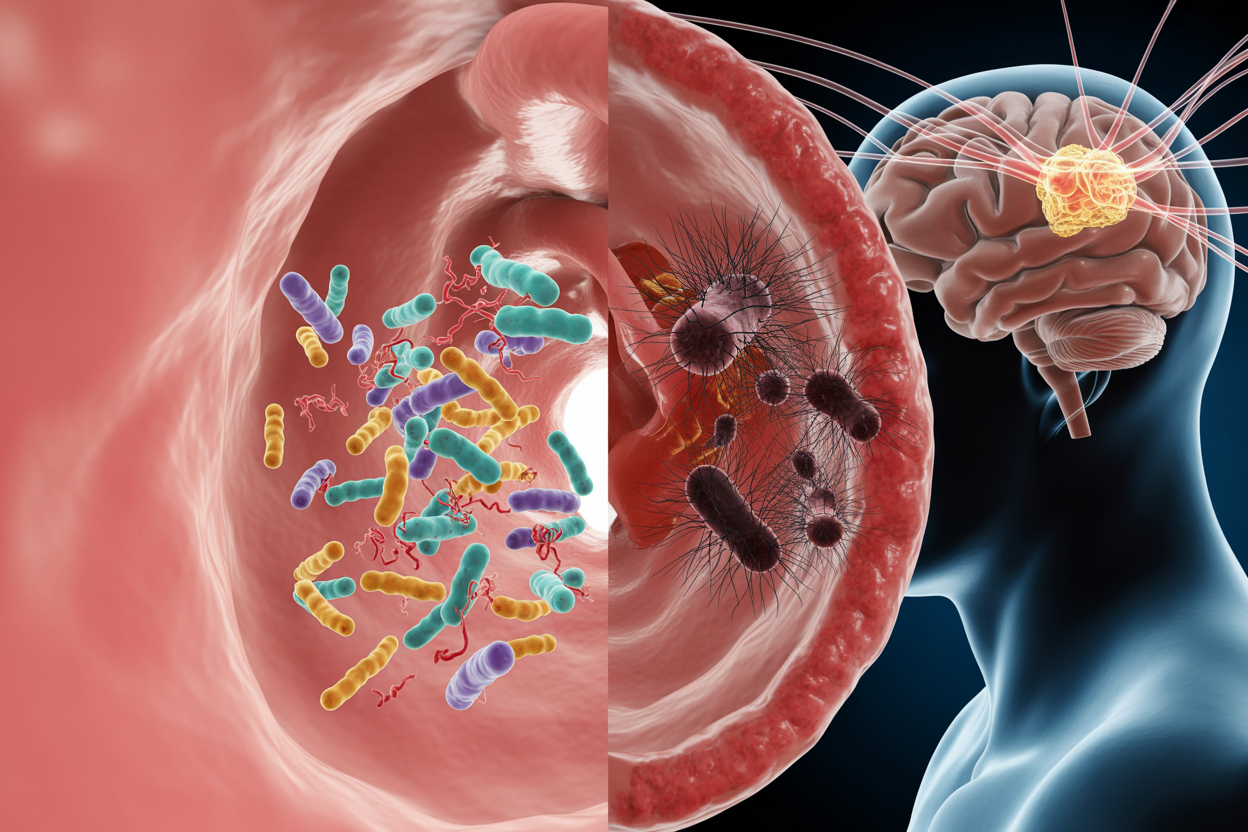
Meet Your Mood-Boosting Microbes and Their Daily Impact
Your gut houses trillions of bacteria that work around the clock to influence your emotional well-being. The most powerful mood-boosting microbes include Lactobacillus helveticus and Bifidobacterium longum, which directly produce neurotransmitters like GABA and serotonin. These beneficial bacteria communicate with your brain through the gut-brain connection, sending chemical signals that can either lift your spirits or drag them down.
Akkermansia muciniphila, another superstar strain, strengthens your intestinal barrier and reduces inflammation throughout your body, including your brain. When these helpful microbes thrive, they create short-chain fatty acids that nourish brain cells and support cognitive function. Your daily mood swings, energy levels, and stress response depend heavily on the balance of these microscopic allies living in your digestive system.
How Bad Bacteria Trigger Anxiety and Depression
Harmful bacteria like Clostridium difficile and certain Enterobacteria species release toxins that create chaos in your mental state. These problematic microbes produce inflammatory compounds called lipopolysaccharides (LPS), which breach your gut lining and trigger widespread inflammation. When this inflammation reaches your brain, it disrupts neurotransmitter production and creates the perfect storm for anxiety and depression.
Pathogenic bacteria also consume nutrients meant for beneficial microbes, starving your mood-supporting bacteria of the resources they need to function. This imbalance leads to increased cortisol production, heightened stress responses, and decreased production of feel-good chemicals. The gut microbiome and anxiety are so closely linked that researchers now consider certain bacterial overgrowths as potential triggers for panic attacks and chronic worry.
The Specific Strains That Act as Natural Antidepressants
Scientific research has identified specific probiotic strains that function as natural mood elevators. Lactobacillus rhamnosus has shown remarkable ability to reduce anxiety-like behavior and lower cortisol levels in clinical studies. Bifidobacterium breve and Lactobacillus casei work together to increase BDNF (brain-derived neurotrophic factor), a protein that promotes new brain cell growth and protects existing neurons.
Lactobacillus acidophilus produces GABA, your brain’s primary calming neurotransmitter, while Enterococcus faecium boosts serotonin production in the gut. These probiotics for depression work by modulating the gut-brain axis and creating an environment where positive mood chemicals can flourish. Clinical trials demonstrate that people taking these specific strains experience significant improvements in depression scores compared to placebo groups.
Why Antibiotic Overuse Destroys Your Emotional Balance
Antibiotics wipe out both harmful and beneficial bacteria indiscriminately, creating a wasteland in your gut microbiome. This bacterial genocide disrupts the delicate ecosystem that maintains your emotional stability. After antibiotic treatment, opportunistic pathogens often colonize the empty space before beneficial bacteria can recover, leading to long-term mood disruptions.
The aftermath of antibiotic overuse can persist for months or even years, with some people experiencing increased rates of depression and anxiety long after treatment ends. Each course of antibiotics reduces bacterial diversity, and with fewer beneficial strains available to produce mood-regulating compounds, your mental health suffers. Research shows that people who’ve taken multiple antibiotic courses have significantly higher rates of depression, highlighting how intestinal health and brain function are inseparably connected.
Recognize How Poor Gut Health Sabotages Your Brain Function
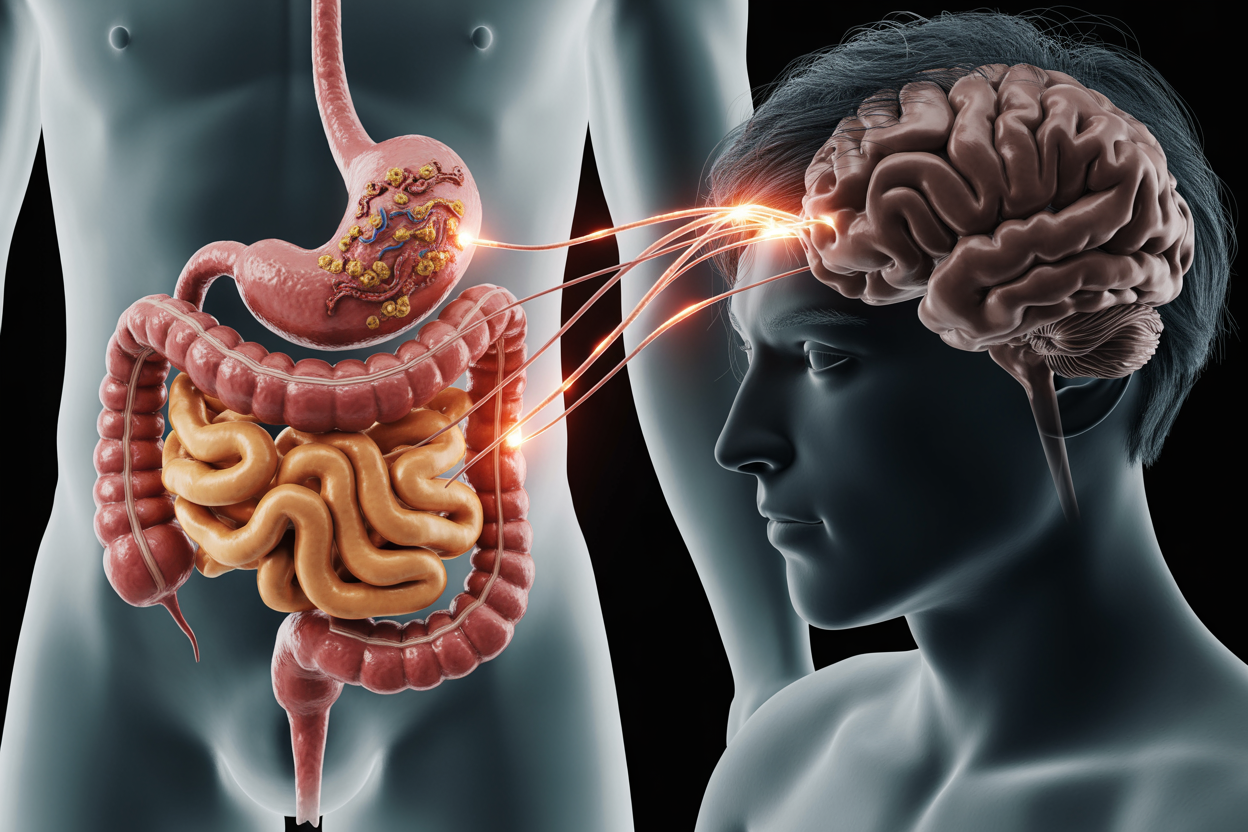
The Leaky Gut Syndrome That Inflames Your Mind
When your intestinal lining becomes damaged and permeable, it creates a condition known as leaky gut syndrome. This happens when the tight junctions between intestinal cells loosen, allowing undigested food particles, toxins, and bacteria to slip through into your bloodstream. Your immune system treats these foreign invaders as threats, triggering widespread inflammation throughout your body – including your brain.
This chronic inflammation directly impacts your mental state by disrupting neurotransmitter production and creating neuroinflammation. The inflammatory molecules that cross your compromised gut barrier can breach the blood-brain barrier, leading to symptoms like depression, anxiety, and cognitive decline. Your gut health affects brain function in ways that extend far beyond digestive discomfort.
The inflammatory cascade also reduces your brain’s ability to produce serotonin, dopamine, and other mood-regulating chemicals. Since approximately 90% of serotonin is actually produced in your gut, a compromised intestinal lining severely impacts your emotional well-being. This explains why people with leaky gut often experience mood swings, irritability, and persistent feelings of sadness or anxiety.
How Food Sensitivities Create Brain Fog and Irritability
Food sensitivities develop when your immune system overreacts to normally harmless foods, often due to increased intestinal permeability. Common culprits include gluten, dairy, eggs, and certain preservatives. When you consume these trigger foods, your body releases inflammatory compounds that travel directly to your brain via the gut-brain connection.
Brain fog is one of the most frustrating symptoms of food sensitivities. You might find yourself struggling to concentrate, forgetting simple tasks, or feeling mentally sluggish after meals. This cognitive cloudiness occurs because inflammatory cytokines interfere with neural communication and reduce blood flow to critical brain regions.
Irritability and mood changes often accompany brain fog because food sensitivities disrupt your gut microbiome balance. When harmful bacteria flourish due to ongoing inflammation, they produce toxins that affect your nervous system. These bacterial byproducts can directly influence your mood by interfering with neurotransmitter synthesis and increasing stress hormones like cortisol.
The delayed nature of food sensitivity reactions makes them particularly challenging to identify. Symptoms can appear hours or even days after consuming trigger foods, creating a confusing cycle where your mental health seems to fluctuate without obvious cause.
Why Sugar Feeds Harmful Bacteria That Worsen Mental Health
Sugar acts like rocket fuel for pathogenic bacteria and yeast in your digestive system. When you consume high amounts of refined sugars and processed carbohydrates, you’re essentially feeding the harmful microorganisms that disrupt your microbiome mental health. These opportunistic bacteria multiply rapidly, crowding out beneficial species that support mood regulation and cognitive function.
Harmful bacteria produce toxic metabolites as they digest sugar, including chemicals that directly impact your brain chemistry. These bacterial toxins can cross the blood-brain barrier and interfere with neurotransmitter production, leading to increased anxiety, depression, and emotional instability. The more sugar you consume, the stronger these pathogenic colonies become.
Candida overgrowth is particularly problematic for mental health. This opportunistic yeast thrives on sugar and produces acetaldehyde, a toxic compound that causes brain fog, mood swings, and fatigue. Candida also creates sugar cravings, trapping you in a vicious cycle where you crave the very foods that feed the organisms making you feel worse.
The sugar-bacteria connection explains why many people experience dramatic mood improvements when they reduce their sugar intake. By starving harmful bacteria of their preferred fuel source, you allow beneficial gut bacteria and mood to restore balance naturally. This shift in your intestinal health and brain function often results in clearer thinking, stable emotions, and reduced anxiety within just a few weeks of dietary changes.
If you’re tired of bloating, low energy, and stubborn health issues, it’s time to upgrade your gut game. Explore LoveBiome’s science-backed formulas and give your body the support it’s been missing.
Transform Your Mental Health Through Strategic Gut Healing
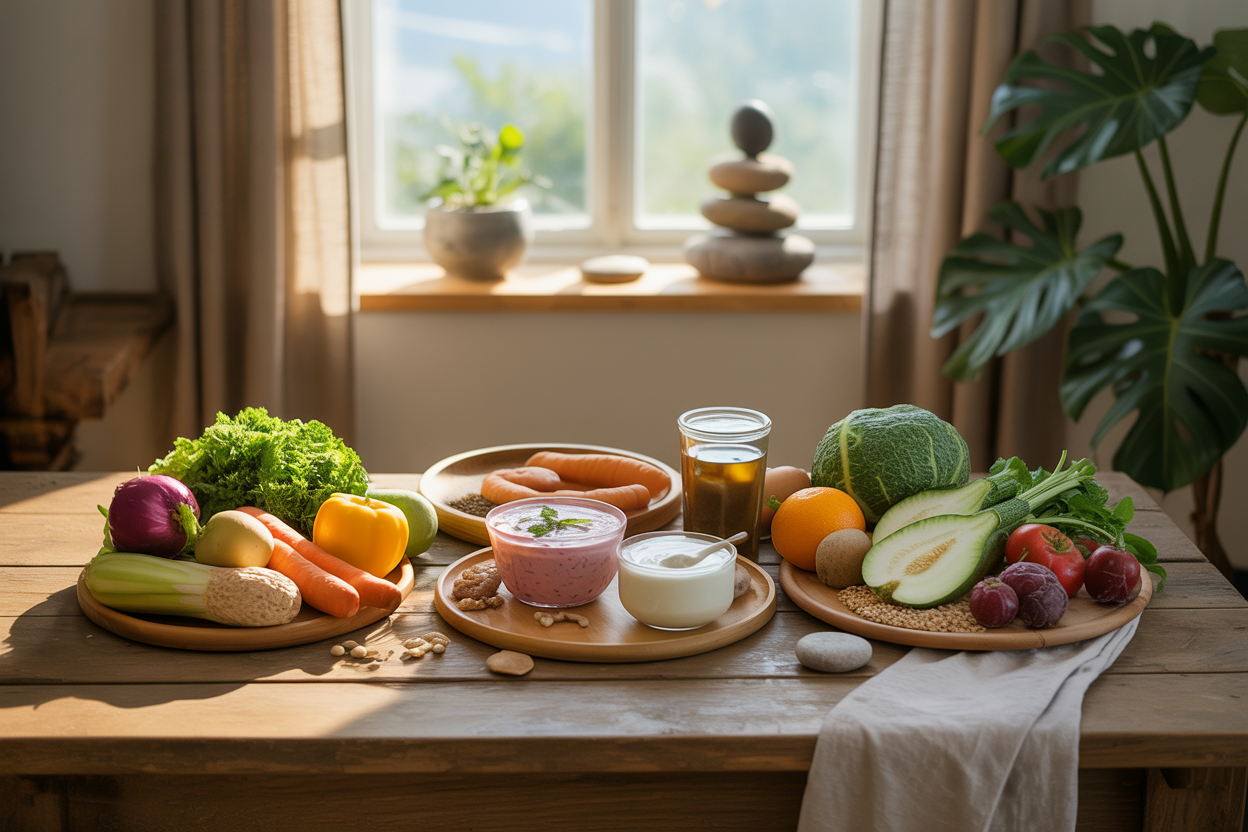
The Prebiotic Foods That Feed Your Happy Bacteria
Your gut bacteria need fuel to thrive, and prebiotics are their preferred food source. These specialized plant fibers pass through your digestive system undigested until they reach your colon, where beneficial bacteria feast on them and multiply rapidly.
Garlic stands out as one of the most potent prebiotic foods for supporting gut health and mental health. Its high inulin content feeds bifidobacteria and lactobacilli – the same strains that produce mood-regulating neurotransmitters. Raw garlic provides the highest prebiotic benefits, though cooked versions still offer substantial support.
Onions, leeks, and asparagus contain similar prebiotic compounds that strengthen your gut-brain connection. Jerusalem artichokes pack an impressive 76% inulin by weight, making them exceptional for rebuilding your microbiome after stress or antibiotic use.
Green bananas deliver resistant starch, another powerful prebiotic that feeds butyrate-producing bacteria. These bacteria create short-chain fatty acids that reduce inflammation in both your gut and brain, directly impacting your mood stability.
Oats provide beta-glucan fiber that specifically supports bacteria linked to serotonin production. Starting your day with steel-cut oats creates an ideal environment for these mood-supporting microbes to flourish throughout the day.
Probiotic Powerhouses That Restore Emotional Balance
Live probiotic bacteria directly replenish your gut microbiome with strains proven to influence mental health. Research shows specific bacterial strains can reduce anxiety, depression, and stress responses by modulating the gut brain axis.
Kefir contains over 60 different probiotic strains, far more than yogurt’s typical 2-3 strains. This fermented drink includes lactobacillus kefiri, which studies link to reduced cortisol levels and improved stress resilience. The diverse bacterial community in kefir creates a more robust foundation for lasting mental health improvements.
Kimchi and sauerkraut provide lactobacillus plantarum, a strain that produces GABA – your brain’s primary calming neurotransmitter. Regular consumption of these fermented vegetables helps maintain steady GABA levels, reducing anxiety and improving sleep quality naturally.
Kombucha offers beneficial yeasts alongside bacteria, creating a unique probiotic profile that supports both digestive and mental wellness. The fermentation process produces B vitamins essential for neurotransmitter synthesis, while the probiotics help maintain gut barrier integrity.
Greek yogurt with live cultures provides lactobacillus casei and bifidobacterium lactis – strains specifically studied for their anti-anxiety effects. Choose plain varieties without added sugars, which can feed harmful bacteria and counteract the mental health benefits.
Anti-Inflammatory Foods That Calm Both Gut and Mind
Chronic inflammation disrupts both gut function and brain health, creating a cycle where poor gut health affects brain function and mental distress worsens digestive issues. Strategic food choices can break this cycle by simultaneously calming intestinal inflammation and reducing neuroinflammation.
Fatty fish like salmon, mackerel, and sardines provide omega-3 fatty acids that directly reduce inflammatory markers in your gut lining and brain tissue. These essential fats support the production of specialized pro-resolving mediators that actively resolve inflammation rather than just suppressing it.
Turmeric contains curcumin, which crosses the blood-brain barrier to reduce neuroinflammation while healing intestinal damage. Combining turmeric with black pepper increases curcumin absorption by 2000%, maximizing its gut-brain healing potential.
Leafy greens like spinach and kale provide folate and magnesium that support both gut barrier function and neurotransmitter production. Their high fiber content feeds beneficial bacteria while their antioxidants protect against oxidative stress in both digestive and neural tissues.
Blueberries contain anthocyanins that reduce inflammation markers associated with depression and anxiety. These compounds also strengthen the intestinal barrier, preventing inflammatory compounds from entering your bloodstream and reaching your brain.
Bone broth provides collagen, glycine, and glutamine that directly repair intestinal permeability while supplying amino acids needed for neurotransmitter synthesis. Regular consumption helps seal a leaky gut while providing building blocks for stable mood regulation.
Implement Daily Habits That Strengthen Your Gut-Brain Axis

Stress Management Techniques That Protect Your Microbiome
Chronic stress wreaks havoc on your gut bacteria, creating an imbalance that directly impacts your mental health. When stress hormones like cortisol flood your system, they reduce beneficial bacteria and increase harmful microbes, disrupting the delicate gut-brain axis. The good news? Simple daily practices can shield your microbiome from stress damage.
Deep breathing exercises offer immediate protection for your gut bacteria. Spend just five minutes each morning practicing diaphragmatic breathing – breathe in for four counts, hold for seven, and exhale for eight. This activates your parasympathetic nervous system, which promotes healthy digestion and supports beneficial microbe growth.
Progressive muscle relaxation serves as another powerful tool. Tense each muscle group for five seconds, then release while focusing on the contrast between tension and relaxation. Start with your toes and work upward to your head. This technique reduces cortisol levels and creates an environment where good gut bacteria can thrive.
Mindfulness meditation directly benefits both your brain and gut bacteria. Research shows that even ten minutes of daily meditation increases microbial diversity and reduces inflammation markers. Use apps like Headspace or simply focus on your breath while observing thoughts without judgment.
Regular movement acts as a natural stress buffer. Walking in nature for 20 minutes daily reduces cortisol while promoting healthy gut bacteria diversity. The combination of physical activity and natural surroundings creates optimal conditions for your gut-brain connection to function properly.
Sleep Optimization Strategies for Gut Bacteria Recovery
Your gut bacteria follow a circadian rhythm just like you do, and poor sleep disrupts their natural cycles, leading to mood disorders and cognitive decline. Quality sleep allows beneficial bacteria to regenerate and maintain the gut-brain axis that supports mental health.
Create a consistent sleep schedule by going to bed and waking up at the same time every day, even on weekends. Your gut microbiome relies on this predictability to maintain healthy populations. When you constantly shift your sleep timing, you confuse your internal clock and throw off bacterial balance.
Transform your bedroom into a gut-healing sanctuary. Keep temperatures between 65-68°F, as cooler environments promote deeper sleep phases that allow gut bacteria recovery. Install blackout curtains or use an eye mask to block light completely – even small amounts of light can disrupt both your sleep cycle and bacterial rhythms.
Stop eating three hours before bedtime to give your digestive system time to process food properly. Late-night eating forces gut bacteria to work during their rest period, creating imbalance and poor sleep quality. If you must snack, choose foods that support gut health like plain Greek yogurt or a small handful of almonds.
Establish a digital sunset routine by turning off screens one hour before bed. Blue light interferes with melatonin production, which not only affects sleep but also impacts gut bacteria diversity. Replace screen time with gentle stretching, reading, or journaling to prepare both your mind and gut for restorative sleep.

Your gut isn’t just about digestion – it’s literally your second brain, sending constant signals that shape how you think, feel, and handle stress. The trillions of bacteria living in your digestive system are like tiny mood managers, producing the same neurotransmitters your brain relies on for happiness and calm. When these gut bugs get out of balance, your mental clarity suffers, anxiety creeps in, and your emotional resilience takes a hit.
The good news is that healing your gut can be a game-changer for your mental health. Simple daily choices like eating diverse whole foods, managing stress, and getting quality sleep can rebuild your gut microbiome and strengthen that crucial gut-brain connection. Start small – add some fermented foods to your meals, take short walks after eating, and pay attention to how different foods make you feel. Your gut and your mind will thank you for it.
Don’t guess your way to better health—heal smarter. Discover how LoveBiome can help rebalance your microbiome and start feeling the difference where it matters most.