Simple Habits That Boost Credit Over Time

Photo by AS Photography on <a href="https://www.pexels.com/photo/documents-on-wooden-surface-95916/" rel="nofollow">Pexels.com</a>
Building a strong credit score doesn’t happen overnight, but simple credit habits practiced consistently can boost your credit rating over time. This guide is for anyone wanting to improve their credit score through practical, everyday actions that actually work.
Good credit opens doors to better loan rates, premium credit cards, and even job opportunities. The key is understanding which habits make the biggest difference and sticking with them month after month.
We’ll walk through the most effective credit building habits, starting with payment history tips that protect your most important credit factor. You’ll also learn strategic ways to manage your credit utilization ratio and discover smart credit monitoring strategies that catch problems before they hurt your score.
These simple credit habits work whether you’re rebuilding damaged credit or maintaining good credit you’ve already earned. Let’s dive into the specific actions that create lasting credit score improvement.
Strategic Credit Utilization Management

Keep Total Credit Usage Below 30% of Available Limits
Your credit utilization ratio plays a massive role in determining your credit score – accounting for roughly 30% of the calculation. This ratio represents how much of your available credit you’re actually using at any given time. Credit scoring models heavily favor borrowers who keep their balances low relative to their credit limits.
The golden rule here is maintaining utilization below 30% across all your credit accounts combined. For example, if you have $10,000 in total available credit, you should keep your combined balances under $3,000. However, top-tier credit scores often require even lower ratios. Many credit experts recommend staying below 10% for optimal results, with some suggesting as low as 1-9% for the highest scores.
This habit directly impacts your credit score improvement efforts because credit reporting agencies update your utilization monthly. Lower utilization signals to lenders that you’re a responsible borrower who doesn’t rely heavily on credit to meet financial obligations.
Spread Balances Across Multiple Cards Instead of Maxing One
Smart credit building habits include distributing your credit usage across multiple cards rather than concentrating balances on a single account. This strategy works because credit scoring models evaluate both your overall utilization and individual card utilization rates.
Maxing out one card while keeping others at zero creates an unbalanced credit profile that can hurt your score even if your overall utilization stays reasonable. For instance, having one card at 90% utilization and two others at 0% looks riskier than having three cards each at 30% utilization, even though the total debt remains the same.
This approach also provides practical benefits for your credit monitoring strategies. If one card experiences issues or needs to be temporarily frozen, you maintain access to credit through your other accounts. Additionally, spreading balances can help you avoid over-limit fees and gives you more flexibility in managing payment timing across different due dates.
Pay Down Balances Before Statement Closing Dates
Timing your payments strategically can significantly boost your credit rating over time without changing your spending habits. Credit card companies typically report your statement balance to credit bureaus, not your current balance. This means you can pay down balances after making purchases but before your statement closes to show lower utilization.
The key is understanding when each card’s statement closes versus when payment is due. These dates usually differ by 20-25 days. By making payments before the statement closing date, you can maintain good credit while still benefiting from your card’s grace period for interest-free purchases.
This payment history tip allows you to use credit for rewards or convenience while presenting the lowest possible utilization to credit reporting agencies. Many people successfully maintain their simple credit habits by setting up automatic payments a few days before each statement closes, ensuring their reported balances stay minimal regardless of their actual spending patterns throughout the month.
Smart Credit Account Maintenance

Keep old accounts open to preserve credit history length
Your credit history length makes up 15% of your credit score, making those older accounts incredibly valuable for boost credit rating over time. Credit scoring models love seeing established relationships with lenders that span years or even decades. When you close an old account, you’re essentially erasing that positive history from your active credit profile.
The age of your oldest account, combined with the average age of all your accounts, creates a foundation of creditworthiness that takes years to rebuild. Even if you no longer use that first credit card you got in college, keeping it open continues adding months and years to your credit age calculation.
Every day you wait is another missed opportunity. 👉 Jump on this credit-boosting fix ASAP
Use dormant cards occasionally to prevent closure
Credit card companies regularly review inactive accounts and may close them due to lack of usage, typically after 6-12 months of inactivity. This closure can hurt your credit score by reducing available credit and potentially shortening your credit history length.
Set up small, recurring charges on dormant cards to keep them active:
- Monthly subscriptions: Netflix, Spotify, or gym memberships
- Utility bills: Phone, internet, or streaming services
- Small automatic purchases: Coffee shop loyalty programs
- Annual fees: If the card has value, pay the annual fee to maintain it
Pay off these small balances immediately to maintain good credit habits while keeping accounts active.
Request credit limit increases on existing accounts
Requesting credit limit increases is one of the most effective credit building habits for improving your credit utilization ratio without opening new accounts. Most credit card companies allow online requests every 6-12 months, and many approvals happen instantly.
Best practices for credit limit increase requests:
| Timing | Requirements | Expected Outcome |
|---|---|---|
| Every 6-12 months | Good payment history | 10-50% increase |
| After income increase | Updated income documentation | Larger increases possible |
| Before major purchases | Strong credit profile | Strategic utilization management |
Higher credit limits give you more breathing room for maintain good credit utilization ratios, especially when you need to make larger purchases or handle unexpected expenses.
Avoid closing your oldest credit card
Your oldest credit card represents the cornerstone of your credit history and should remain open unless absolutely necessary. This account establishes your longest-standing relationship with a creditor and serves as proof of your long-term creditworthiness.
Even if the card has an annual fee, consider these alternatives before closing:
- Product changes: Ask to switch to a no-fee version of the card
- Negotiation: Request fee waivers based on your history
- Value assessment: Calculate if rewards or benefits offset the fee
- Downgrade options: Move to a basic card from the same issuer
The credit score improvement tips from keeping your oldest account open far outweigh most annual fees. If you must close it, wait until you have other well-established accounts to minimize the impact on your credit profile.
Diversified Credit Portfolio Building
Mix Revolving Credit with Installment Loans
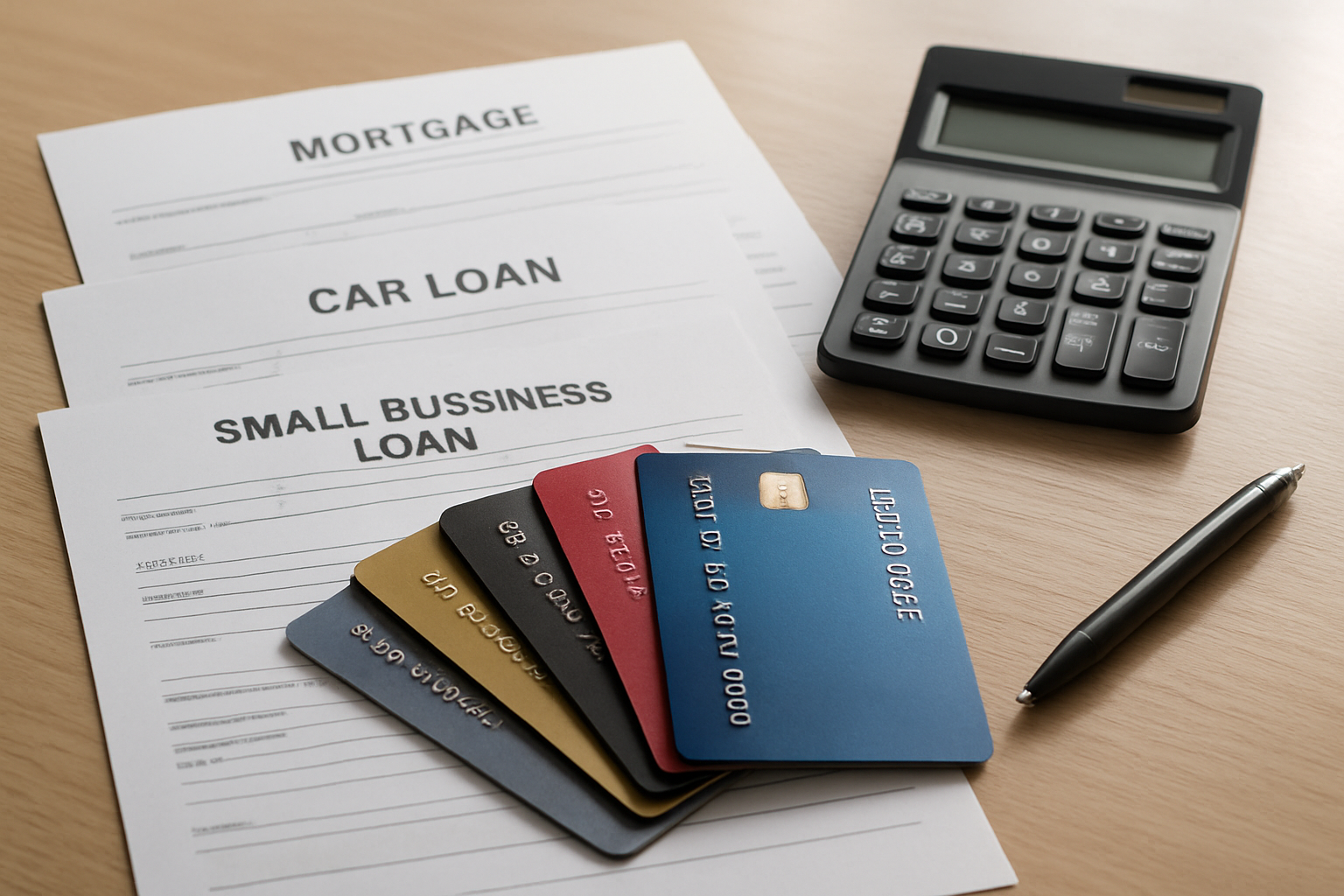
Creating a balanced credit portfolio requires understanding the two main types of credit accounts. Revolving credit includes credit cards and lines of credit where you can borrow, pay back, and borrow again up to your limit. Installment loans are fixed payments over a set period, like auto loans, mortgages, or personal loans.
Having both types shows lenders you can manage different payment structures. Credit scoring models reward this diversity because it demonstrates financial versatility. If you only have credit cards, consider adding an installment loan. Conversely, if you only have loans, opening a credit card can help round out your credit building habits.
The key is maintaining both responsibly. Keep credit card balances low to maintain a healthy credit utilization ratio, while making consistent payments on installment loans to strengthen your payment history. This combination creates a robust foundation for long-term credit score improvement.
Your credit won’t fix itself. 👉 Take action NOW before another month passes you by
Add Retail Store Cards for Credit Mix Variety
Store credit cards often provide an accessible way to expand your credit portfolio, especially if you’re working to improve credit score gradually. These cards typically have more lenient approval requirements than traditional credit cards, making them useful stepping stones.
Major retailers like Target, Home Depot, or department stores offer branded cards that count toward your credit mix. Some store cards can only be used at specific retailers, while others function like regular credit cards anywhere. The variety in your credit accounts signals to lenders that multiple creditors trust you with credit.
Before applying, research the terms carefully. Store cards often carry higher interest rates than traditional cards, so avoid carrying balances. Use them for planned purchases you can pay off immediately. Many offer rewards or discounts that can provide value when used strategically.
Apply for store cards sparingly to avoid too many hard inquiries on your credit report. One or two strategic store cards can enhance your credit portfolio without overwhelming your credit monitoring strategies.
Consider Secured Credit Cards for Rebuilding Credit
Secured credit cards serve as powerful tools for building or rebuilding credit when traditional options aren’t available. These cards require a security deposit that typically becomes your credit limit, reducing risk for lenders while giving you access to revolving credit.
Unlike prepaid cards, secured cards report to credit bureaus, making them genuine credit-building instruments. Your payment history on these accounts carries the same weight as unsecured cards, helping establish or rebuild your credit foundation. Regular, on-time payments create positive payment history that boosts your credit rating over time.
Many secured cards offer graduation paths to unsecured cards after demonstrating responsible usage. Some even provide cash back rewards or other benefits. Research options from established banks and credit unions, looking for cards with reasonable fees and clear upgrade policies.
Start with a modest deposit amount you can afford. Focus on keeping balances low and paying in full each month. This approach maximizes the credit-building benefits while avoiding interest charges. Secured cards prove your commitment to financial responsibility, setting the stage for accessing better credit products in the future.

Building better credit doesn’t require dramatic changes or expensive services. The habits that make the biggest difference are surprisingly simple: paying bills on time every month, keeping credit card balances low, and checking your credit report regularly. When you manage your existing accounts responsibly and avoid opening too many new ones at once, you create a foundation that credit scoring models love to reward.
The best part about these strategies is how they build momentum over time. Each on-time payment strengthens your history, every month you keep balances low improves your utilization ratio, and regular monitoring helps you catch and fix problems before they become serious. Start with just one or two of these habits and add others as they become routine. Your future self will thank you when you see those credit scores climbing and doors opening to better rates and opportunities.