Fix Self-Doubt to Meet True Love

Photo by Asad Photo Maldives on <a href="https://www.pexels.com/photo/man-and-woman-holding-hands-walking-on-seashore-during-sunrise-1024960/" rel="nofollow">Pexels.com</a>
Understanding How Self-Doubt Blocks Your Journey to Finding True Love
The Psychology Behind True Love and Self-Doubt in Relationships
True love doesn’t just appear out of nowhere when we start dating. It has deep roots in how we learned to connect with others from our earliest days. Attachment theory explains that our experiences with primary caregivers create internal working models of relationships that follow us into adulthood. If you received inconsistent care or felt rejected as a child, you might struggle to believe you’re worthy of true love as an adult.
But here’s where things get tricky: healthy self-reflection isn’t the same as destructive self-doubt. Self-awareness helps you grow and build better relationships, while self-doubt paralyzes you with fear and insecurity.
Tired of being alone? Stop the endless search and finally use the method that works. Your true love connection is closer than you think.
Discover your soulmate blueprint today!

The difference? Self-awareness acknowledges both strengths and weaknesses without harsh judgment, while self-doubt fixates on perceived flaws and predicts rejection.
When it comes to romance, our brains seem wired to amplify negative beliefs. We’re biologically programmed to scan for threats, and few things feel as threatening as romantic rejection. This negativity bias means that one critical comment can outweigh multiple compliments, making your journey to finding true love unnecessarily difficult.
Common Self-Sabotaging Patterns That Prevent Finding True Love
The ways we protect ourselves from potential heartbreak often backfire. Many people reject potential partners preemptively—finding flaws and reasons to walk away before the other person has a chance to reject them. This keeps them safe but perpetually alone.
Others consistently choose emotionally unavailable partners who reinforce their negative self-image. As counter-intuitive as it seems, there’s comfort in the familiar pain of unrequited love when you don’t believe you deserve full acceptance. Relationship experts note that this pattern creates a self-fulfilling prophecy that confirms your worst fears.
Setting impossibly high standards serves as another clever defense mechanism. By creating a checklist no real human could meet, you ensure no one gets close enough to hurt you. Meanwhile, overanalyzing every text message and interaction often leads to assuming negative intentions where none exist.
This is your LAST CHANCE to get the complete Soulmate Attraction System at the current low price. Don’t pay more later!
Secure the lowest price right now!
The Link Between Childhood Experiences and Adult Relationship Fears
Our early caregiving experiences create powerful templates for how adult relationships “should” feel. Research shows that children who experienced rejection or inconsistent care often develop insecure attachment styles that make finding true love later in life more challenging.
These childhood experiences shape what therapists call your “love map”—your unconscious criteria for selecting partners.

Without awareness, you might be drawn to people who feel familiar because they match your early relationship dynamics, even if those dynamics were painful.
Signs Your Self-Doubt Is Blocking Your Journey to Finding True Love
You might be wondering if self-doubt is really your problem. Consider these warning signs: Do you consistently experience the same relationship problems with different partners? This pattern suggests the issue might lie in your internal beliefs rather than your choice of partners.
Do you feel anxious or unworthy when someone shows genuine interest? Many people with deep self-doubt become uncomfortable with authentic connection, as it contradicts their negative self-image.
If you struggle to accept compliments or find yourself thinking, “If they really knew me, they wouldn’t love me,” your inner critical voice is likely sabotaging potential relationships. Similarly, if you tend to end promising relationships just as they start to deepen, fear of vulnerability—rooted in self-doubt—may be the culprit.
Practical Strategies to Heal Self-Doubt and Open Your Heart to True Love
Building Self-Worth Independent of Relationship Status
Creating a strong sense of self-worth outside of your relationship status is the foundation for finding true love. Start by developing a personal validation practice through daily self-acknowledgment rituals. Each morning, recognize one quality you appreciate about yourself that has nothing to do with romantic validation. This might be your resilience, creativity, or how you care for others.
Healthy boundaries are non-negotiable on your journey to finding true love. Practice saying “no” to requests that deplete you and “yes” to experiences that energize you. Pay attention to how your body feels when boundaries are crossed – that tension or discomfort is valuable information.
Focus on building a life that feels rich and meaningful on its own terms. Pursue interests that light you up, nurture friendships that feel supportive, and create routines that make you feel grounded. Remember, you’re not looking for someone to complete your life but to complement the fulfilling life you’ve already created.
When dating feels overwhelming, try this self-compassion exercise: place your hand on your heart, acknowledge the difficulty of the moment, and speak to yourself as you would a dear friend facing similar struggles.
Identifying and Challenging Your Core Negative Beliefs About Love
Our minds often become battlegrounds of negative thoughts, especially during dating. Start catching these thoughts by keeping a “Dating Thought Log.” When you feel anxious about a date or potential relationship, write down the exact thought (“They’ll eventually see I’m not good enough”) and identify the underlying belief (“I am fundamentally unlovable”).
To challenge these beliefs, gather evidence that contradicts them. List times when people have shown you love and appreciation, even in non-romantic contexts. This evidence-gathering helps weaken the grip of limiting beliefs about your lovability.
Cognitive restructuring techniques can transform your internal dialogue. When you catch yourself thinking, “No one will ever love me,” reframe it to something more realistic: “Dating takes time, and finding the right match is a process that many people successfully navigate.”

Create personalized affirmations that directly address your specific fears. Rather than generic statements, try: “I am learning to trust my judgment in relationships” or “I deserve a partner who appreciates my unique qualities.”
Healing Attachment Wounds to Find True Love Later in Life
Many people find themselves on the path to finding true love later in life after working through attachment issues. Consider working with a therapist trained in attachment theory who can help you identify specific patterns stemming from early relationships. This professional guidance can provide a secure base from which to explore deeper wounds.
Journaling provides a powerful way to process relationship trauma. Try the “Unsent Letter” technique: write letters you’ll never send to people who hurt you, expressing everything you wish you could say. This releases emotional charge and helps you see patterns more clearly.
Even when feeling insecure, you can practice secure attachment behaviors. This might mean communicating directly instead of dropping hints, expressing needs clearly rather than expecting mind-reading, or taking responsibility for your emotions rather than blaming others.
Build a support network that provides both emotional safety and honest feedback. These relationships serve as practice grounds for the vulnerability required in romantic connections and provide alternative secure attachment experiences.
Dating Mindfully: Tips for Finding True Love While Still Working on Yourself
The journey to finding true love doesn’t mean waiting until you’re “perfect” before dating. Instead, be thoughtful about how much of your growth journey to share early on. A good rule: mention you’re working on personal growth without detailing every insecurity in the first few dates.
Stay present during dates by practicing the “5 Senses Check-in.” When your mind starts spinning with projections or past hurts, pause and notice five things you can see, four things you can touch, three things you can hear, two things you can smell, and one thing you can taste. This grounds you in the present moment with the actual person in front of you.
Create a personalized dating plan that honors your unique needs. This might include setting a limit on consecutive dating app days, scheduling dates at times when you typically feel your best, or having a trusted friend on standby for post-date processing.
When rejection happens – and it will – practice resilience through the “Feel, Deal, Heal” approach.
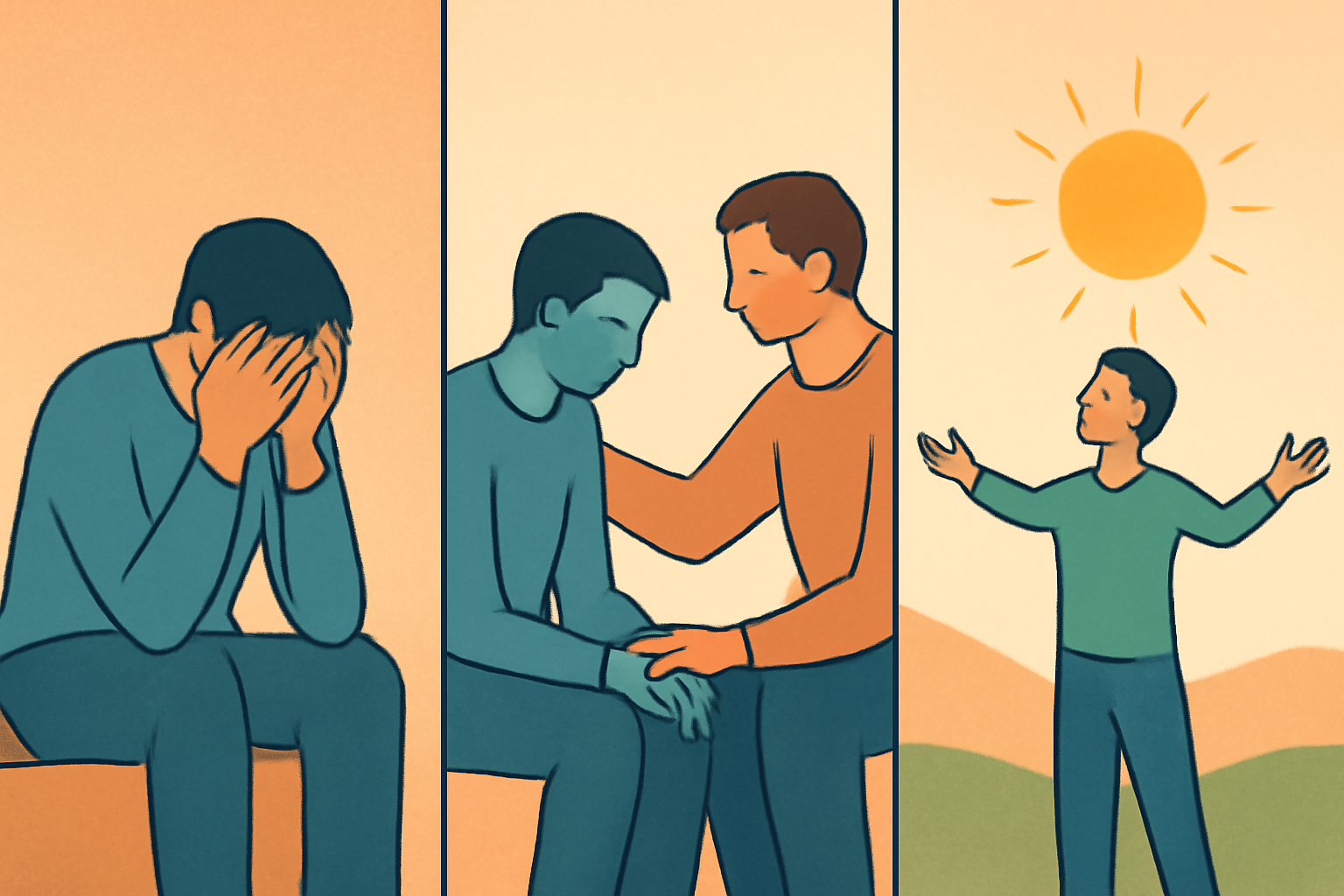 Allow yourself to feel the disappointment fully for a set time (say, 48 hours), take practical steps to process it (like talking with a friend), then consciously shift into healing mode with self-care and perspective-taking activities.
Recognizing and Embracing the Right Partner on Your Journey to Finding True Love
The right partner for you will demonstrate emotional consistency, showing up reliably even during challenging moments. Look for someone who responds to your vulnerability with compassion rather than criticism or dismissal.
Learn to differentiate between intuition and fear when assessing compatibility. Intuition tends to feel calm and clear, while fear feels urgent and panicky. Ask yourself: “Is this concern based on actual red flags in this person’s behavior, or is it an old fear being triggered?”
When the time feels right, try this approach to discussing insecurities: “I’m working on being more open, and sometimes I struggle with (specific insecurity). What helps me feel secure is (specific behavior).” This template focuses on your needs rather than placing demands.
Build a relationship foundation by establishing rituals of connection – daily check-ins, weekly date nights, or monthly relationship check-ups. These practices create a secure framework where both partners can grow. Remember that healthy relationships require ongoing maintenance, not just initial chemistry.
Ready for happiness? Don’t delay your destiny—click here now.