Brain Exercises to Boost Your Memory Now

Photo by Los Muertos Crew on <a href="https://www.pexels.com/photo/a-woman-meditating-with-her-eyes-closed-8391369/" rel="nofollow">Pexels.com</a>
Your memory isn’t set in stone. You can train your brain with specific brain exercises and memory improvement techniques that actually work.
This guide is perfect for busy professionals dealing with information overload, students preparing for exams, and older adults who want to keep their minds sharp. You’ll discover practical cognitive training activities you can do anywhere, anytime.
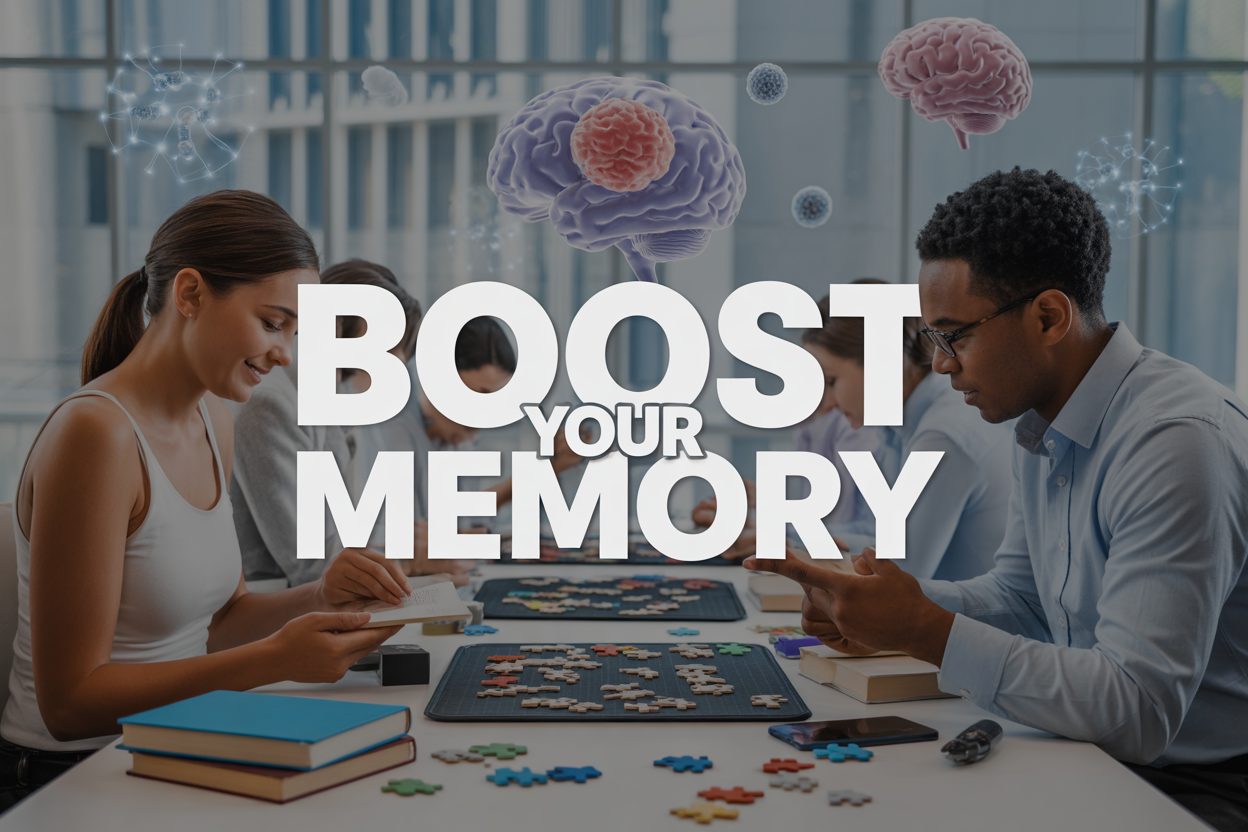
We’ll cover mental focus and attention training exercises that help you concentrate better at work. You’ll learn about strategic games and puzzle solving that activate your entire brain while having fun. We’ll also explore how creative arts, language learning, and even physical activities can boost your mental performance in surprising ways.
Ready to give your brain the workout it deserves? Let’s dive into proven memory boosting exercises that deliver real results.
Mental Focus and Attention Training Exercises

Meditation for Brain Calm and Stress Reduction
Your ability to focus and retain information significantly improves when you manage anxiety and bring your attention back to the present moment. Worry about the future takes the mind away from the present, creating mental clutter that interferes with your memory formation and recall abilities. When you practice meditation regularly, you develop powerful strategies to return focus to the present, which directly enhances your cognitive training activities.
Boost your mental clarity now — just tap right here: Activate Your Brain Upgrade.
The key to effective meditation for memory improvement lies in training your brain to resist distraction. Each time you notice your mind wandering during meditation and gently guide it back to your breath or chosen focal point, you’re strengthening the same neural pathways that help you pay attention when forming new memories. This mental exercise for memory becomes increasingly powerful with consistent practice.
Visualization Techniques for Better Decision Making
Your decision-making abilities and memory work hand in hand through focused visualization practices. When you can’t remember where you put your keys, it’s often because you weren’t paying much attention when you set them down. Visualization techniques train your brain to create vivid mental images that enhance both attention and memory storage.
During visualization exercises, you actively engage multiple areas of your brain simultaneously. This comprehensive brain training method strengthens the connections between different cognitive functions, improving your overall mental performance. The more detailed and engaging your visualizations become, the more effectively you’ll be able to recall information when you need it.
Four-Detail Memory Practice for Enhanced Recall
Attention exercises are specifically designed to challenge your brain to focus its attention on multiple elements simultaneously. The four-detail memory practice builds upon this foundation by requiring you to consciously observe and encode four specific details about any situation or object you encounter.
This brain exercise works because it forces you to move beyond passive observation into active attention training. When you deliberately focus on four distinct characteristics—such as color, texture, size, and location—you create multiple retrieval pathways in your memory. These memory boosting exercises become more effective as you consistently challenge your brain to maintain focus across several details at once, significantly improving your natural ability to form lasting memories.
Skill Development and Social Engagement
Learning New Hobbies for Mental Stimulation
When you engage in learning new skills, you’re tapping into your brain’s remarkable capacity for adaptation and growth. Research shows that your brain’s response to new learning isn’t just about age—it’s fundamentally about how efficiently your neural pathways process and integrate new information. Whether you’re 25 or 65, your learning ability determines how much cognitive benefit you’ll gain from skill-based brain exercises.
Your brain operates on a principle where those with less efficient learning mechanisms actually benefit more from stimulation during skill acquisition. If you find yourself struggling initially with new motor tasks or cognitive challenges, this apparent disadvantage can become your strength. Studies involving finger-tapping sequences and mathematical calculations demonstrate that when you start as a “suboptimal learner,” your accuracy and performance improve more dramatically than those who begin with naturally efficient learning strategies.
Consider incorporating these skill-development activities into your routine:
- Musical instruments: Learning piano, guitar, or any instrument challenges multiple brain regions simultaneously
- New languages: Vocabulary building and grammar comprehension enhance neural connectivity
- Craft skills: Knitting, woodworking, or pottery develop fine motor control and spatial reasoning
- Mathematical puzzles: Number games and calculation techniques strengthen analytical thinking
- Digital skills: Learning new software or programming languages builds problem-solving pathways
The key insight is that brain stimulation through skill learning has a restorative rather than enhancing quality. This means if you initially struggle with a new hobby, you’re actually positioned to gain more cognitive benefits than someone who picks it up easily.
Social Activities for Cognitive Protection
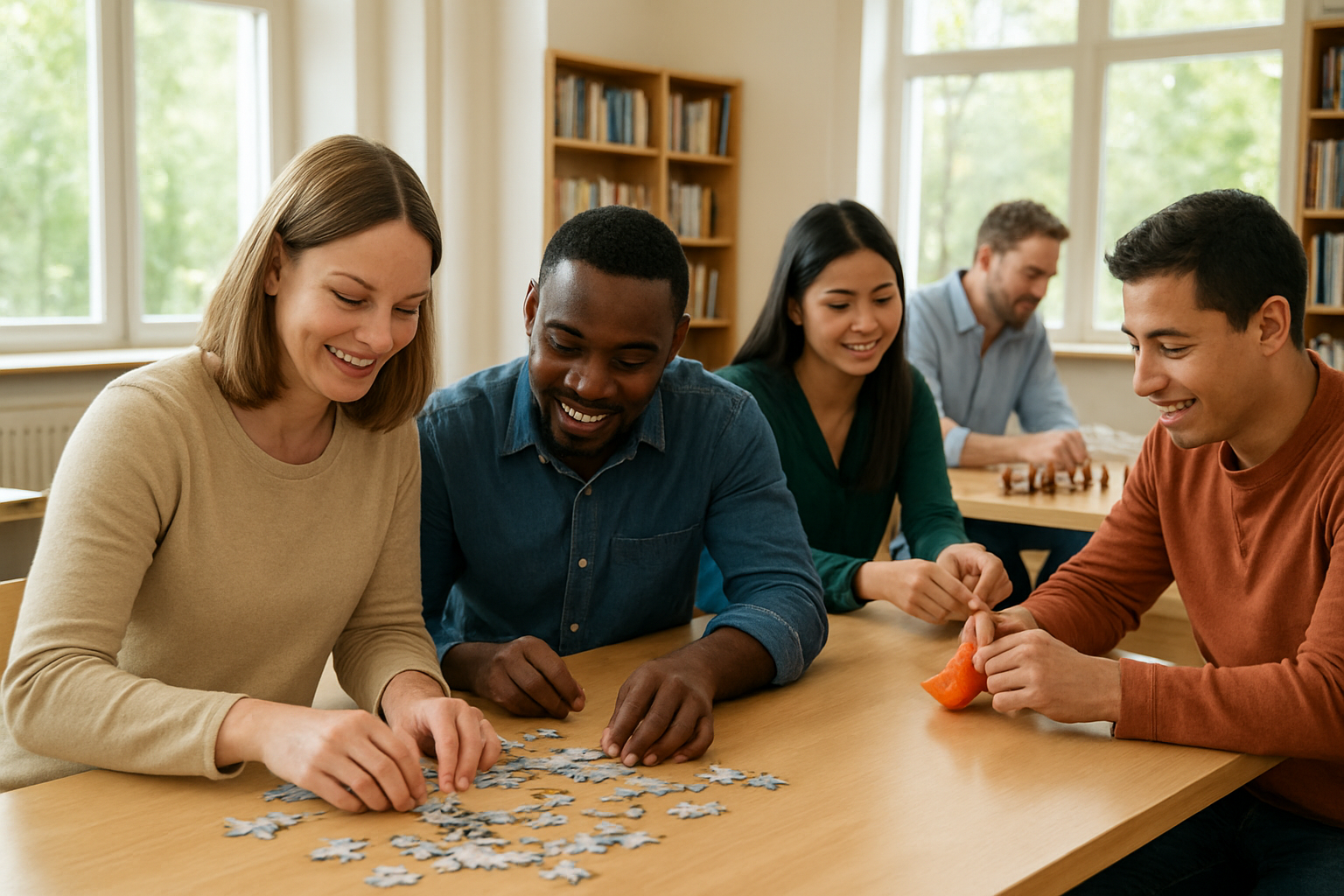
Your social engagement plays a crucial protective role in maintaining and enhancing cognitive function. When you participate in group learning activities or collaborative skill development, you’re creating multiple layers of brain stimulation that go beyond individual practice. The reference research on brain stimulation and learning reveals that social contexts can amplify the benefits of cognitive training.
Group-based learning activities offer unique advantages for your memory enhancement:
- Learning circles: Join groups focused on specific skills like photography, cooking, or gardening
- Class participation: Enroll in community college courses or workshops where discussion is encouraged
- Teaching others: Share your existing skills with friends or family members to reinforce neural pathways
- Collaborative projects: Work with others on puzzles, building projects, or creative endeavors
- Book clubs: Engage in discussions that require memory recall and analytical thinking
The social component adds emotional engagement and accountability to your cognitive training. When you’re learning alongside others, your brain processes information differently than in isolation. The combination of skill acquisition and social interaction creates what researchers call enhanced neuroplasticity—your brain’s ability to form new connections becomes more robust.
Research indicates that the effectiveness of cognitive training depends heavily on your baseline abilities and how your brain areas communicate with each other. In social settings, you benefit from observing different learning strategies, receiving immediate feedback, and experiencing varied approaches to problem-solving. This exposure helps optimize your own learning mechanisms, particularly if you naturally have weaker connections between key brain regions involved in memory and attention.
Your participation in socially engaging skill development creates a supportive environment where cognitive protection occurs through both the learning activity itself and the interpersonal connections you build.
Sensory and Environmental Brain Training
Multi-Sensory Experiences for Brain Strength
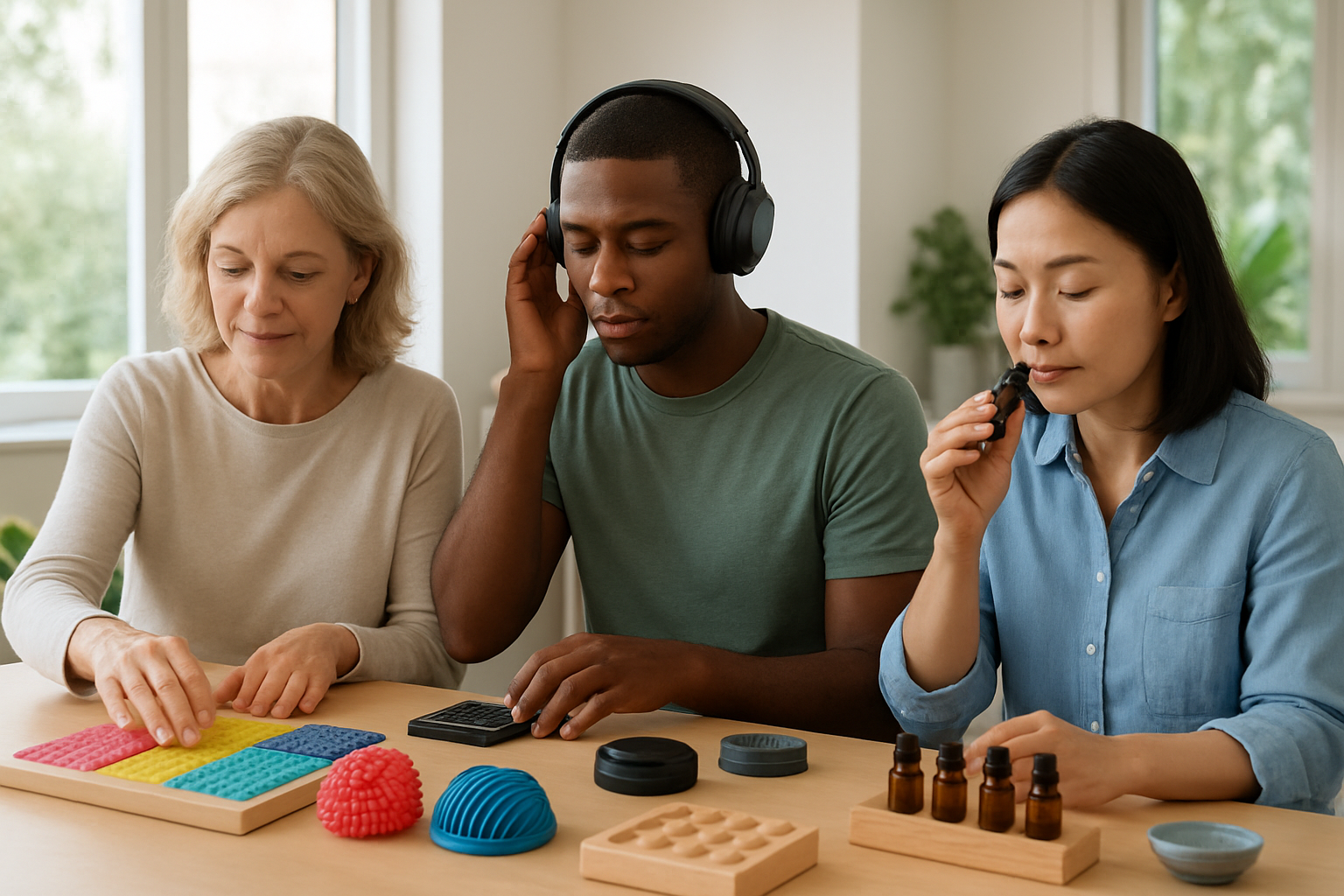
Research from 2025 suggests that using all your senses may help strengthen your brain, particularly in older adults. When you engage multiple senses simultaneously, you create a powerful cognitive workout that activates various brain regions and strengthens neural connections.
To give your senses and your brain a comprehensive workout, try doing activities that simultaneously engage all five of your senses. You could try baking a batch of cookies, where you’ll experience the smell of ingredients, the texture of dough, the taste of your creation, the visual appeal of the finished product, and the sounds of mixing and baking. Similarly, visiting a farmer’s market offers rich sensory experiences as you smell fresh produce, feel different textures, taste samples, observe vibrant colors, and listen to the bustling atmosphere.
Another excellent multi-sensory brain exercise involves trying a new restaurant while you focus on smelling, touching, tasting, seeing, and hearing all at the same time. This deliberate attention to sensory input creates new neural pathways and strengthens existing ones, making it one of the most effective memory improvement techniques you can practice regularly.
Don’t wait on a sharper mind. Hit this link and elevate fast: Unlock Better Focus.
Route Variation for Mental Flexibility
Now that we’ve explored multi-sensory experiences, let’s examine how changing your daily routines can boost cognitive flexibility. Don’t get stuck in a rut when it comes to your daily tasks. Instead, be willing to try new ways to do the same things you’ve always done.
Choose a different route to get to work each week or try a different mode of transport, like biking or using public transport instead of driving. This simple variation forces your brain to create new mental maps and adapt to unfamiliar environments, which enhances cognitive function enhancement and mental agility.
Your brain can benefit tremendously from these simple changes, and you might be surprised by how easy it is to shift your thinking patterns. When you consistently vary your routes and transportation methods, you’re essentially providing your brain with cognitive training activities that improve problem-solving skills and spatial awareness. This type of environmental variation serves as one of the most accessible brain training methods you can incorporate into your daily routine without requiring additional time or resources.
Quality Sleep for Memory and Mental Health
While not necessarily an active exercise, sleep is crucial for both your brain and body’s optimal functioning. A 2015 review notes that sleep has been proven to boost memory recall, reduce mental fatigue, and regulate metabolism – making it one of the most fundamental memory strengthening activities you can prioritize.
Quality sleep acts as a natural brain exercise that consolidates memories formed throughout the day. During sleep, your brain processes information, strengthens neural connections, and clears out metabolic waste that accumulates during waking hours. This process is essential for maintaining cognitive function and supporting long-term memory formation.
Contrastingly, sleep deprivation can negatively impact your reaction times and mental states, according to a 2023 study. When you don’t get adequate rest, your ability to focus, make decisions, and retain new information becomes significantly compromised. Making sure to get enough sleep each night is an important step toward maintaining a healthy brain and maximizing the effectiveness of other mental exercises for memory that you practice during your waking hours.
To optimize your sleep for brain health, establish a consistent sleep schedule, create a relaxing bedtime routine, and ensure your sleeping environment is conducive to quality rest. These practices will enhance the benefits of all other brain games for adults and cognitive training activities you engage in throughout the day.
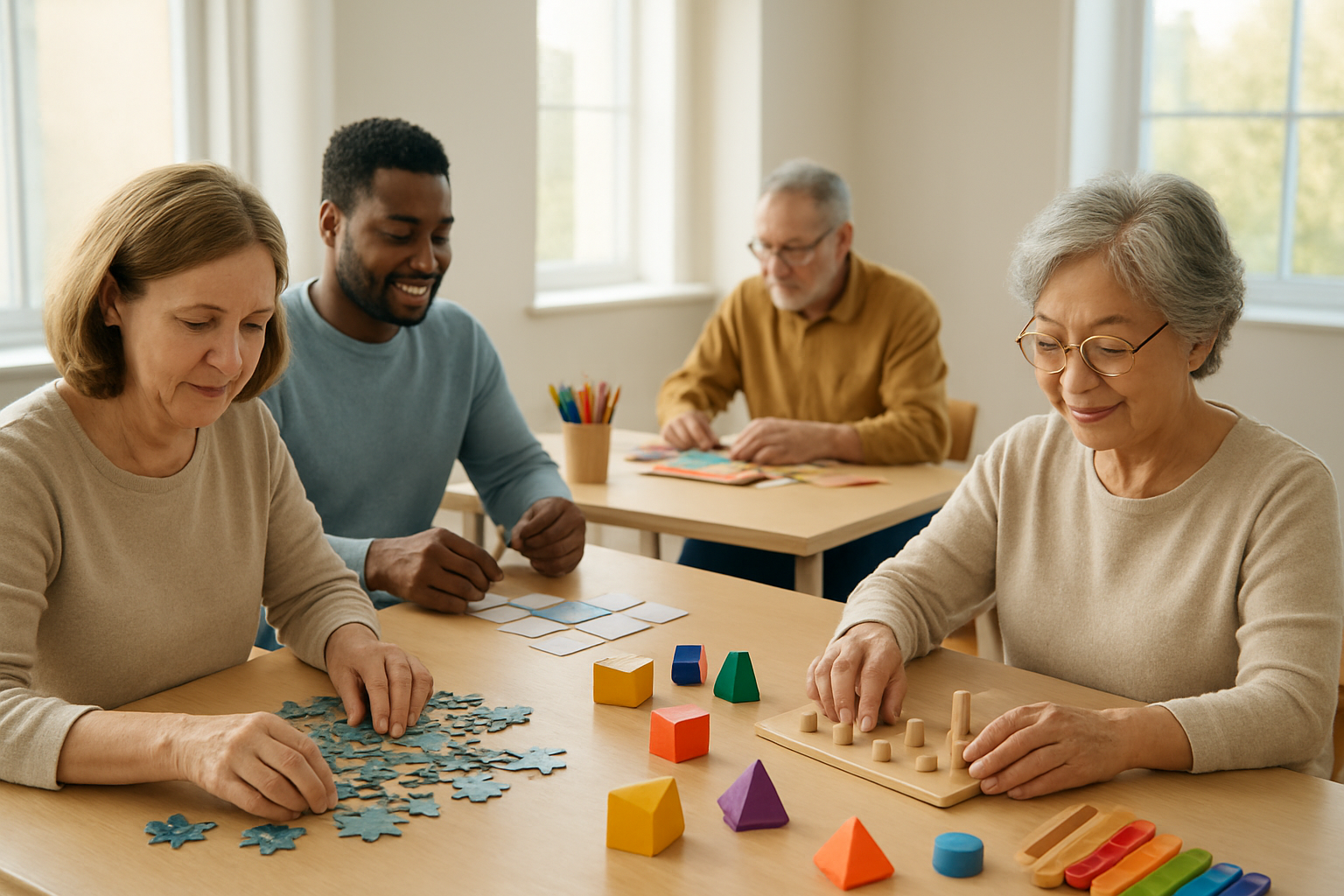
Your brain is remarkably adaptable and capable of improvement at any age through consistent mental exercise. By incorporating a variety of brain-boosting activities into your daily routine – from puzzle solving and strategic games to learning new skills and engaging in creative arts – you can enhance your memory, sharpen your focus, and build stronger neural connections. The research shows that these exercises not only improve cognitive function but may also help protect against age-related brain decline.
Start with activities that genuinely interest you, whether that’s taking up a musical instrument, learning a new language, or trying your hand at chess. Remember that physical activities like dancing and tai chi offer dual benefits for both your body and mind, while social engagement and sensory exercises provide additional cognitive stimulation. The key is consistency and variety – challenge your brain regularly with different types of exercises to maximize the benefits. Your future self will thank you for the mental investment you make today.
Ready for stronger memory and cleaner thinking? Jump in now: Start Your Brain Boost.